

Traditional Icelandic Food, Cooking, Preservation and Culture Explained
15. október 2026
Traditional Icelandic Food, Cooking, Preservation and Culture Explained
15. október 2026
Although some traditional Icelandic food may seem unusual at first, it makes complete sense when viewed through the lens of history. Like many aspects of local culture, Icelandic cuisine is closely connected to the country's natural environment. For centuries, life on the island required resourcefulness and a deep understanding of what the land and sea could provide.
Things may be different today, but many traditional dishes have endured as everyday comfort foods. Others are reserved for seasonal celebrations, while certain delicacies survive primarily as cultural traditions connecting Icelanders with the past. By exploring what Icelanders eat and how local habits have evolved, you can gain a better understanding of Icelandic food culture.
How Iceland’s Climate Shaped Its Food
To understand traditional Icelandic food, it helps to look back at the harsh conditions earlier generations faced without modern technology. Low temperatures, short growing seasons, and unpredictable weather limited the crops that could be grown reliably in Iceland.
Instead, communities learned to make the most of what the land and surrounding North Atlantic could provide. Distinct practices for food collection, production, and preservation became interwoven with Icelandic culture and traditions.
Fishing, Farming, and Dairy
Most notably, fishing became an essential part of life in coastal communities, providing cod, haddock, and other seafood. On land, sheep farming became particularly important, providing meat and wool. Meanwhile, cattle farming gave locals milk for butter, skyr, and other dairy products.
Grain was also historically grown in medieval Iceland, particularly barley. However, cereal cultivation became increasingly difficult as the climate cooled during the medieval period and into the Little Ice Age. Production gradually declined, and rural communities came to rely on imported grain.
Preservation
Long winters meant that keeping food edible for months at a time was crucial. Thus, Icelandic preserved food developed out of practical necessity. Before refrigeration, communities mastered several different methods to extend the life of meat, fish, and dairy products.
-Drying: Air-drying fish outdoors to remove moisture and prevent spoilage.
-Smoking: Exposing meat or fish to smoke, helping preserve it while developing a distinct flavour.
-Salting: Preserving meat and fish with salt, although salt was historically less accessible than other preservation methods.
-Souring: Storing food in fermented whey (sýra), an important traditional method for slowing spoilage.
-Fermenting: Controlled ageing of certain foods to make them safe, edible, or long-lasting.
The Traditional Icelandic Foods That Remain Part of Everyday Life
Icelandic cuisine has become increasingly modern and international. However, many traditional dishes remain part of everyday life. These familiar foods have endured because they are simple, practical, and deeply rooted in local habits. Many are still enjoyed regularly in homes across the country.
Kjötsúpa
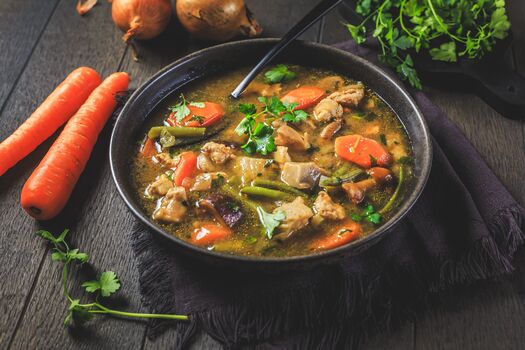
Kjötsúpa is a comforting Icelandic lamb soup made with tender cuts of lamb and vegetables. Recipes usually include swede (rutabaga), carrots, potatoes, and onions simmered in a clear, flavourful broth. It’s a warm meal especially suited to the cool North Atlantic weather. Unlike many older heritage dishes, this traditional Icelandic dish remains a staple in many local homes.
Plokkfiskur
Another classic Icelandic meal is plokkfiskur, a hearty fish stew made with cod or haddock, potatoes, and onions. The ingredients are combined in a creamy sauce, then seasoned with salt and white pepper.
Interestingly, plokkfiskur was originally a practical way of using up cooked fish and other leftovers. Today, it’s a beloved comfort food that exemplifies the resourcefulness of Icelandic home cooking.
Harðfiskur
Fish as a snack may sound unusual for visitors, but harðfiskur or dried fish is popular in Iceland. Traditionally made from haddock or catfish, it is air-dried until firm and then broken up into pieces. Some visitors may find it similar to jerky, only made with fish instead of other kinds of meat.
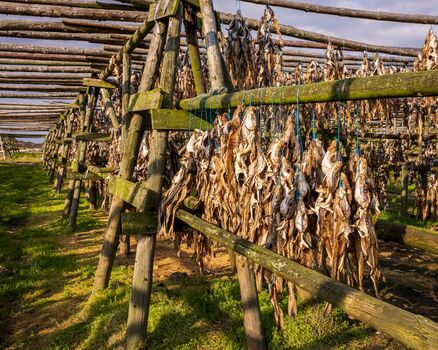
Locals usually eat harðfiskur with butter, a combination with long-standing roots in Iceland food traditions. Once an important staple, dried fish has endured as a convenient, protein-rich snack. Bags are widely sold in almost every grocery store in Iceland.
Rúgbrauð
Rúgbrauð is a dark, dense, and mildly sweet rye bread with a moist texture. Although rye was historically imported into Iceland, rye bread has been part of Icelandic food traditions for centuries.
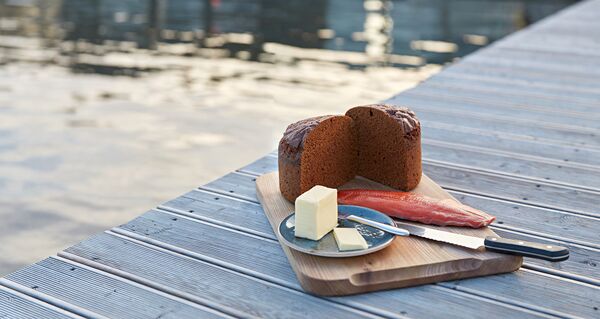
One preparation method for rúgbrauð that has become especially well-known is hot spring or geothermal baking. In areas with suitable geothermal activity, the bread can be cooked slowly underground in covered containers. The result is a soft, dark loaf traditionally served with butter, fish, or other savoury dishes.
Skyr
One of the best-known dairy foods in Icelandic cuisine, skyr has been part of Icelandic food culture for centuries. Although often compared with Greek yoghurt because of its thick texture, it is traditionally classified more closely with fresh cheese.
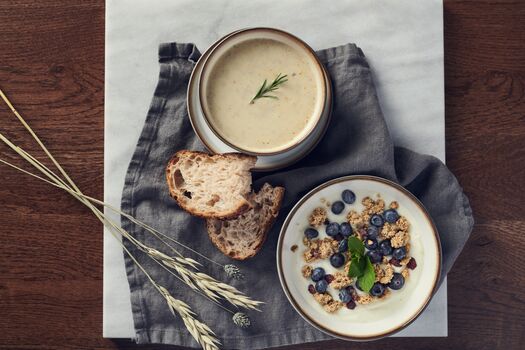
In the past, skyr was often made from sheep's milk, while modern versions are generally produced from cow's milk. High in protein and naturally low in fat, it’s a traditional Icelandic food still widely available across the island. It’s commonly eaten for breakfast or as a snack, often with berries, milk, or other toppings.
What Do Icelanders Eat Today?
Modern Icelandic cuisine is broad, international, and ever-evolving. While heritage dishes keep a special place in national culture, everyday eating habits are now similar to other modern European countries.
In daily life, Icelanders still regularly eat fish such as cod, haddock, and Arctic char. Lamb dishes and hearty soups also remain common in local households. Other traditional foods that continue to feature in everyday life include skyr for breakfast, harðfiskur as a protein-rich snack, and rúgbrauð alongside other breads.
Popular casual foods have also become part of modern food culture. These include the Icelandic hot dog (pylsa), soft-serve ice cream, cinnamon rolls, and fish and chips.

Alongside these local favourites, international dishes such as pasta, pizza, sushi, and burgers are widely enjoyed. Modern Nordic cooking has also influenced contemporary Icelandic cuisine. Indeed, traditional Icelandic food now sits comfortably alongside global flavours.
For a broader look at modern dining, local restaurants, and practical food choices, check out our guide on what and where to eat in Iceland. A dedicated traditional Icelandic food tour is also a fantastic way to sample authentic dishes under expert local guidance.
Foods Reserved for Christmas and Celebrations
Some traditional Icelandic dishes are still eaten regularly, while other heritage recipes are simply tied to specific festivities and holiday gatherings.
Hangikjöt: Iceland's Traditional Smoked Lamb
Hangikjöt (“hung meat”) is cured lamb or mutton that is traditionally smoked, using materials like birch wood or dried sheep dung. Smoking was originally done for preservation, but today, hangikjöt is strongly associated with festive meals, particularly Christmas.
Sliced thinly, the smoked meat is usually served with boiled potatoes, green peas, red cabbage, and a creamy white sauce known as uppstúf. For many Icelanders, it remains one of the most recognisable flavours of the holiday season.
Laufabrauð and Christmas Baking
Another festive tradition in Iceland is the preparation of laufabrauð, or “leaf bread.” These paper-thin rounds of wheat dough are intricately decorated with geometric or leaf-like patterns.
During Advent, families often gather to decorate the dough together before deep-frying them until crisp. The preparation itself is an important part of the tradition, with patterns sometimes passed down through families.
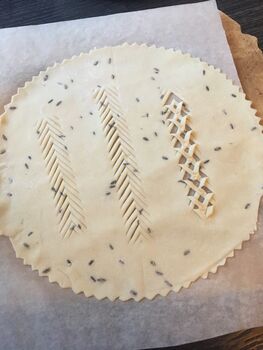
Served with butter or alongside hangikjöt, laufabrauð is an example of food tied directly to Icelandic Christmas traditions. Other festive specialities, like gingerbread and assorted Christmas biscuits, are also common during the holidays in Iceland.
Þorrablót and the Foods That Became Cultural Heritage
During the old Icelandic midwinter month of Þorri, locals still gather for Þorrablót celebrations. Today, these events are closely associated with preserved foods that were once part of everyday rural life.
What Is Þorramatur?
Þorramatur is not a single recipe, but a selection of traditional Icelandic foods associated with the midwinter celebration of Þorrablót. Typical offerings may include singed sheep’s head (svið), blood pudding (blóðmör), liver sausage (lifrarpylsa), ram testicles preserved in sour whey (hrútspungar), dried fish, smoked meats, and other sour-preserved foods.
Many of these dishes were once ordinary parts of Icelandic life rather than special celebration foods. However, Þorramatur is now eaten mainly as a way of keeping older food traditions alive and connecting modern Icelanders with previous generations.
Hákarl: Fermented Shark in Context
No discussion of Icelandic preserved food is complete without mentioning hákarl, or fermented shark. Fresh Greenland shark requires careful processing before it can be eaten. Traditionally, pieces of shark were placed in an earthen or gravel pit and left to cure for several weeks or months before being hung outdoors to dry.
Nowadays, hákarl is mostly linked to Icelandic heritage and seasonal traditions rather than everyday meals. It is often cut into small cubes and served during Þorrablót gatherings. It may be accompanied by Brennivín, the clear Icelandic spirit sometimes nicknamed “Black Death.”
For visitors, tasting hákarl offers an introduction to the preservation methods and food traditions that helped earlier generations survive.
Which Traditional Foods Are Everyday, Seasonal or Mostly Ceremonial?
In summary, traditional Icelandic food has largely survived the country’s modernisation, but to different degrees.

Some foods remain part of everyday Icelandic life:
-Skyr: Commonly eaten for breakfast, as a snack, or sometimes as dessert.
-Fresh fish and plokkfiskur: Familiar examples of home-style Icelandic meals.
-Kjötsúpa: A warming lunch or dinner, especially during colder months.
-Rúgbrauð and harðfiskur: Still widely enjoyed as everyday bread and snacks.
Other Icelandic food traditions are now more closely associated with seasons and celebrations:
-Hangikjöt: Strongly linked with Christmas and festive meals.
-Laufabrauð: Traditionally prepared during Advent and the Christmas season.
-Christmas baking: Seasonal breads, biscuits, and other baked treats remain part of winter celebrations.
A smaller group of foods survives mainly through cultural heritage and tradition:
-Hákarl: Most closely associated with heritage tasting and traditional celebrations.
-Þorramatur: Eaten primarily during midwinter Þorrablót gatherings.
-Sour-preserved meats and offal: Kept alive mainly as reminders of older preservation methods and food traditions.
Of course, these categories are not strict. Family habits vary, and some Icelanders may enjoy festive or heritage foods outside their traditional seasons. Travellers can sample many of these iconic dishes on the Reykjavík Food Walk around the capital.
How Visitors Can Experience Icelandic Food Traditions
Exploring traditional Icelandic food adds useful context to the country’s history, farming, and coastal heritage. Trying dishes like kjötsúpa, fish, or rúgbrauð can help you connect Iceland’s landscapes with the traditions that developed around them.
For a more in-depth introduction, consider joining Reykjavík food tours. These guided experiences combine tastings with stories about classic Icelandic recipes, preservation methods, and local food culture. These culinary tours add a cultural experience between sightseeing excursions from the capital.
FAQ
What is traditional Icelandic food?
Traditional Icelandic food consists of historical recipes and preserved items developed around local sheep farming, coastal fishing and dairy production. Examples include lamb soup (kjötsúpa), fish stew (plokkfiskur), dried fish (harðfiskur), rye bread (rúgbrauð), skyr, smoked lamb (hangikjöt), and fermented shark (hákarl).
What is Iceland’s most famous dish?
Skyr and kjötsúpa are widely consumed everyday specialities. Hákarl (fermented shark) is also often considered one of the most famous historically preserved items.
What is a typical Icelandic breakfast?
Many Icelanders eat skyr served with oats, berries, or honey for breakfast. It can also be enjoyed alongside wholegrain bread with butter and cheese, eggs, cod liver oil (lýsi), and coffee.
Do Icelanders really eat fermented shark?
Yes, but usually as a ceremonial or cultural tradition rather than a daily meal. It is most commonly tasted during the midwinter Þorrablót festival or during cultural tasting events with a shot of Brennivín.
Why did Icelanders ferment and dry food?
Historically, long winters and cold growing seasons meant fresh food was scarce for months at a time. Methods like fermenting, drying, smoking, and pickling in sour whey were essential survival techniques to prevent spoilage and store nutrients.
What food do Icelanders eat at Christmas?
Hangikjöt (smoked lamb) is one of the dishes most closely associated with Christmas. Families also enjoy laufabrauð (leaf bread), roast pork (hamborgarhryggur), and festive holiday baking.


Áhugaverðar ferðir


Related Blog Articles
Inspired? Read more fun and informative articles on this subject.


Snaefellsnes Peninsula: Things to See and Do
The Snaefellsnes Peninsula, often described as Iceland in miniature, offers a stunning array of landscapes, including volcanoes, glaciers, black sand beaches, and charming villages. This guide explores day and overnight tours, the best self-drive routes, and recommendations for places to stay and eat.
Traditional Icelandic Food, Cooking, Preservation and Culture Explained
15. október 2026
Traditional Icelandic Food, Cooking, Preservation and Culture Explained
15. október 2026
Although some traditional Icelandic food may seem unusual at first, it makes complete sense when viewed through the lens of history. Like many aspects of local culture, Icelandic cuisine is closely connected to the country's natural environment. For centuries, life on the island required resourcefulness and a deep understanding of what the land and sea could provide.
Things may be different today, but many traditional dishes have endured as everyday comfort foods. Others are reserved for seasonal celebrations, while certain delicacies survive primarily as cultural traditions connecting Icelanders with the past. By exploring what Icelanders eat and how local habits have evolved, you can gain a better understanding of Icelandic food culture.
How Iceland’s Climate Shaped Its Food
To understand traditional Icelandic food, it helps to look back at the harsh conditions earlier generations faced without modern technology. Low temperatures, short growing seasons, and unpredictable weather limited the crops that could be grown reliably in Iceland.
Instead, communities learned to make the most of what the land and surrounding North Atlantic could provide. Distinct practices for food collection, production, and preservation became interwoven with Icelandic culture and traditions.
Fishing, Farming, and Dairy
Most notably, fishing became an essential part of life in coastal communities, providing cod, haddock, and other seafood. On land, sheep farming became particularly important, providing meat and wool. Meanwhile, cattle farming gave locals milk for butter, skyr, and other dairy products.
Grain was also historically grown in medieval Iceland, particularly barley. However, cereal cultivation became increasingly difficult as the climate cooled during the medieval period and into the Little Ice Age. Production gradually declined, and rural communities came to rely on imported grain.
Preservation
Long winters meant that keeping food edible for months at a time was crucial. Thus, Icelandic preserved food developed out of practical necessity. Before refrigeration, communities mastered several different methods to extend the life of meat, fish, and dairy products.
-Drying: Air-drying fish outdoors to remove moisture and prevent spoilage.
-Smoking: Exposing meat or fish to smoke, helping preserve it while developing a distinct flavour.
-Salting: Preserving meat and fish with salt, although salt was historically less accessible than other preservation methods.
-Souring: Storing food in fermented whey (sýra), an important traditional method for slowing spoilage.
-Fermenting: Controlled ageing of certain foods to make them safe, edible, or long-lasting.
The Traditional Icelandic Foods That Remain Part of Everyday Life
Icelandic cuisine has become increasingly modern and international. However, many traditional dishes remain part of everyday life. These familiar foods have endured because they are simple, practical, and deeply rooted in local habits. Many are still enjoyed regularly in homes across the country.
Kjötsúpa
Kjötsúpa is a comforting Icelandic lamb soup made with tender cuts of lamb and vegetables. Recipes usually include swede (rutabaga), carrots, potatoes, and onions simmered in a clear, flavourful broth. It’s a warm meal especially suited to the cool North Atlantic weather. Unlike many older heritage dishes, this traditional Icelandic dish remains a staple in many local homes.
Plokkfiskur
Another classic Icelandic meal is plokkfiskur, a hearty fish stew made with cod or haddock, potatoes, and onions. The ingredients are combined in a creamy sauce, then seasoned with salt and white pepper.
Interestingly, plokkfiskur was originally a practical way of using up cooked fish and other leftovers. Today, it’s a beloved comfort food that exemplifies the resourcefulness of Icelandic home cooking.
Harðfiskur
Fish as a snack may sound unusual for visitors, but harðfiskur or dried fish is popular in Iceland. Traditionally made from haddock or catfish, it is air-dried until firm and then broken up into pieces. Some visitors may find it similar to jerky, only made with fish instead of other kinds of meat.
Locals usually eat harðfiskur with butter, a combination with long-standing roots in Iceland food traditions. Once an important staple, dried fish has endured as a convenient, protein-rich snack. Bags are widely sold in almost every grocery store in Iceland.
Rúgbrauð
Rúgbrauð is a dark, dense, and mildly sweet rye bread with a moist texture. Although rye was historically imported into Iceland, rye bread has been part of Icelandic food traditions for centuries.
One preparation method for rúgbrauð that has become especially well-known is hot spring or geothermal baking. In areas with suitable geothermal activity, the bread can be cooked slowly underground in covered containers. The result is a soft, dark loaf traditionally served with butter, fish, or other savoury dishes.
Skyr
One of the best-known dairy foods in Icelandic cuisine, skyr has been part of Icelandic food culture for centuries. Although often compared with Greek yoghurt because of its thick texture, it is traditionally classified more closely with fresh cheese.
In the past, skyr was often made from sheep's milk, while modern versions are generally produced from cow's milk. High in protein and naturally low in fat, it’s a traditional Icelandic food still widely available across the island. It’s commonly eaten for breakfast or as a snack, often with berries, milk, or other toppings.
What Do Icelanders Eat Today?
Modern Icelandic cuisine is broad, international, and ever-evolving. While heritage dishes keep a special place in national culture, everyday eating habits are now similar to other modern European countries.
In daily life, Icelanders still regularly eat fish such as cod, haddock, and Arctic char. Lamb dishes and hearty soups also remain common in local households. Other traditional foods that continue to feature in everyday life include skyr for breakfast, harðfiskur as a protein-rich snack, and rúgbrauð alongside other breads.
Popular casual foods have also become part of modern food culture. These include the Icelandic hot dog (pylsa), soft-serve ice cream, cinnamon rolls, and fish and chips.
Alongside these local favourites, international dishes such as pasta, pizza, sushi, and burgers are widely enjoyed. Modern Nordic cooking has also influenced contemporary Icelandic cuisine. Indeed, traditional Icelandic food now sits comfortably alongside global flavours.
For a broader look at modern dining, local restaurants, and practical food choices, check out our guide on what and where to eat in Iceland. A dedicated traditional Icelandic food tour is also a fantastic way to sample authentic dishes under expert local guidance.
Foods Reserved for Christmas and Celebrations
Some traditional Icelandic dishes are still eaten regularly, while other heritage recipes are simply tied to specific festivities and holiday gatherings.
Hangikjöt: Iceland's Traditional Smoked Lamb
Hangikjöt (“hung meat”) is cured lamb or mutton that is traditionally smoked, using materials like birch wood or dried sheep dung. Smoking was originally done for preservation, but today, hangikjöt is strongly associated with festive meals, particularly Christmas.
Sliced thinly, the smoked meat is usually served with boiled potatoes, green peas, red cabbage, and a creamy white sauce known as uppstúf. For many Icelanders, it remains one of the most recognisable flavours of the holiday season.
Laufabrauð and Christmas Baking
Another festive tradition in Iceland is the preparation of laufabrauð, or “leaf bread.” These paper-thin rounds of wheat dough are intricately decorated with geometric or leaf-like patterns.
During Advent, families often gather to decorate the dough together before deep-frying them until crisp. The preparation itself is an important part of the tradition, with patterns sometimes passed down through families.
Served with butter or alongside hangikjöt, laufabrauð is an example of food tied directly to Icelandic Christmas traditions. Other festive specialities, like gingerbread and assorted Christmas biscuits, are also common during the holidays in Iceland.
Þorrablót and the Foods That Became Cultural Heritage
During the old Icelandic midwinter month of Þorri, locals still gather for Þorrablót celebrations. Today, these events are closely associated with preserved foods that were once part of everyday rural life.
What Is Þorramatur?
Þorramatur is not a single recipe, but a selection of traditional Icelandic foods associated with the midwinter celebration of Þorrablót. Typical offerings may include singed sheep’s head (svið), blood pudding (blóðmör), liver sausage (lifrarpylsa), ram testicles preserved in sour whey (hrútspungar), dried fish, smoked meats, and other sour-preserved foods.
Many of these dishes were once ordinary parts of Icelandic life rather than special celebration foods. However, Þorramatur is now eaten mainly as a way of keeping older food traditions alive and connecting modern Icelanders with previous generations.
Hákarl: Fermented Shark in Context
No discussion of Icelandic preserved food is complete without mentioning hákarl, or fermented shark. Fresh Greenland shark requires careful processing before it can be eaten. Traditionally, pieces of shark were placed in an earthen or gravel pit and left to cure for several weeks or months before being hung outdoors to dry.
Nowadays, hákarl is mostly linked to Icelandic heritage and seasonal traditions rather than everyday meals. It is often cut into small cubes and served during Þorrablót gatherings. It may be accompanied by Brennivín, the clear Icelandic spirit sometimes nicknamed “Black Death.”
For visitors, tasting hákarl offers an introduction to the preservation methods and food traditions that helped earlier generations survive.
Which Traditional Foods Are Everyday, Seasonal or Mostly Ceremonial?
In summary, traditional Icelandic food has largely survived the country’s modernisation, but to different degrees.
Some foods remain part of everyday Icelandic life:
-Skyr: Commonly eaten for breakfast, as a snack, or sometimes as dessert.
-Fresh fish and plokkfiskur: Familiar examples of home-style Icelandic meals.
-Kjötsúpa: A warming lunch or dinner, especially during colder months.
-Rúgbrauð and harðfiskur: Still widely enjoyed as everyday bread and snacks.
Other Icelandic food traditions are now more closely associated with seasons and celebrations:
-Hangikjöt: Strongly linked with Christmas and festive meals.
-Laufabrauð: Traditionally prepared during Advent and the Christmas season.
-Christmas baking: Seasonal breads, biscuits, and other baked treats remain part of winter celebrations.
A smaller group of foods survives mainly through cultural heritage and tradition:
-Hákarl: Most closely associated with heritage tasting and traditional celebrations.
-Þorramatur: Eaten primarily during midwinter Þorrablót gatherings.
-Sour-preserved meats and offal: Kept alive mainly as reminders of older preservation methods and food traditions.
Of course, these categories are not strict. Family habits vary, and some Icelanders may enjoy festive or heritage foods outside their traditional seasons. Travellers can sample many of these iconic dishes on the Reykjavík Food Walk around the capital.
How Visitors Can Experience Icelandic Food Traditions
Exploring traditional Icelandic food adds useful context to the country’s history, farming, and coastal heritage. Trying dishes like kjötsúpa, fish, or rúgbrauð can help you connect Iceland’s landscapes with the traditions that developed around them.
For a more in-depth introduction, consider joining Reykjavík food tours. These guided experiences combine tastings with stories about classic Icelandic recipes, preservation methods, and local food culture. These culinary tours add a cultural experience between sightseeing excursions from the capital.
FAQ
What is traditional Icelandic food?
Traditional Icelandic food consists of historical recipes and preserved items developed around local sheep farming, coastal fishing and dairy production. Examples include lamb soup (kjötsúpa), fish stew (plokkfiskur), dried fish (harðfiskur), rye bread (rúgbrauð), skyr, smoked lamb (hangikjöt), and fermented shark (hákarl).
What is Iceland’s most famous dish?
Skyr and kjötsúpa are widely consumed everyday specialities. Hákarl (fermented shark) is also often considered one of the most famous historically preserved items.
What is a typical Icelandic breakfast?
Many Icelanders eat skyr served with oats, berries, or honey for breakfast. It can also be enjoyed alongside wholegrain bread with butter and cheese, eggs, cod liver oil (lýsi), and coffee.
Do Icelanders really eat fermented shark?
Yes, but usually as a ceremonial or cultural tradition rather than a daily meal. It is most commonly tasted during the midwinter Þorrablót festival or during cultural tasting events with a shot of Brennivín.
Why did Icelanders ferment and dry food?
Historically, long winters and cold growing seasons meant fresh food was scarce for months at a time. Methods like fermenting, drying, smoking, and pickling in sour whey were essential survival techniques to prevent spoilage and store nutrients.
What food do Icelanders eat at Christmas?
Hangikjöt (smoked lamb) is one of the dishes most closely associated with Christmas. Families also enjoy laufabrauð (leaf bread), roast pork (hamborgarhryggur), and festive holiday baking.
Áhugaverðar ferðir
Related Blog Articles
Inspired? Read more fun and informative articles on this subject.
Snaefellsnes Peninsula: Things to See and Do
The Snaefellsnes Peninsula, often described as Iceland in miniature, offers a stunning array of landscapes, including volcanoes, glaciers, black sand beaches, and charming villages. This guide explores day and overnight tours, the best self-drive routes, and recommendations for places to stay and eat.