

An Iceland Foodie Guide to What and Where to Eat
30. september 2026
An Iceland Foodie Guide to What and Where to Eat
30. september 2026
Eating well in Iceland doesn’t have to mean booking expensive Reykjavík restaurants or working your way through every traditional dish. Some of the best things to eat here are local favourites you can find in bakeries, supermarkets, food halls, and roadside stops. From sourdough and speciality coffee to fresh fish, lamb, and everyday snacks, Iceland’s food scene is varied and easy to explore. This Iceland foodie guide focuses on what is genuinely worth trying and where you are most likely to find it.
From Traditional Dishes to Modern Fare, What Is Icelandic Food?
To understand local cuisine, it helps to consider the country’s climate and environment. Traditional Icelandic food relied heavily on what could be caught, raised, or preserved locally. Fish, lamb, dairy products, potatoes, and grains formed the core diet. Preservation methods such as smoking, drying, salting, and fermenting also helped food last through the long winter months.
Food in Iceland today is much more diverse. Fresh seafood, lamb, and other local ingredients remain important parts of the diet. However, they now sit alongside artisan pastries, craft beer, international flavours, and modern Nordic dining. Locals have embraced influences from around the world, while still drawing on Icelandic ingredients and culinary traditions. Discovering the island as an Iceland foodie means enjoying a mix of heritage dishes, modern favourites, and simple everyday food. On a Reykjavík Food Lovers Tour, guides lead travellers to handpicked spots for authentic local cuisine.
What Icelanders Eat Today and Where to Find It
Favourite dishes will vary from one Iceland foodie to another, but it is generally worth focusing on quality ingredients and everyday specialities. Here is a practical guide to what to eat in Iceland and the places where you are most likely to find it.
Fresh Icelandic Fish and Seafood
What to Try: Pan-fried cod, Arctic char, langoustine, fish soup, fish and chips, and creamy plokkfiskur (fish stew).
Where to Look: Harbour bistros, seafood restaurants, casual fish-and-chips spots, and coastal towns such as Höfn and Húsavík.
Surrounded by the cold waters of the North Atlantic, Iceland is famous for high-quality seafood. Icelandic fish remains an important part of the local diet and is widely available in restaurants around the country.
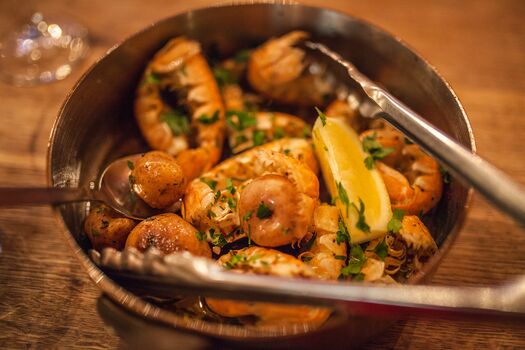
Look for pan-fried catches of the day served with potatoes or vegetables, or warm up with a bowl of fish soup and bread. For a comforting local staple, try plokkfiskur, typically made with white fish, potatoes, onions, and a creamy white sauce. In the southeast, the coastal town of Höfn is especially well-known for langoustine, often called the Icelandic lobster.
Modern Bakeries, Brunch, and Coffee
What to Try: Sourdough bread, cinnamon buns (kanilsnúðar), cardamom buns, flaky pastries, eggs with smoked Arctic char, skyr bowls, and speciality coffee.
Where to Look: Independent bakeries (bakarí), neighbourhood cafés, hotel brunch spots, and food halls in Reykjavík and larger regional towns.

Breakfast-loving travellers will find plenty to enjoy in Reykjavík’s modern bakery and café scene. Artisan bakeries serve fresh sourdough, cinnamon and cardamom buns, filled pastries, and good coffee. Meanwhile, many cafés serve familiar brunch dishes with Icelandic ingredients. Popular picks include smoked Arctic char on sourdough, skyr with granola, eggs, pancakes, and other contemporary breakfast dishes. Bakeries are also useful beyond breakfast, particularly for picking up sandwiches, focaccia, or pastries for a day of sightseeing.
Food Halls and Casual Modern Dining
What to Try: Pizza, burgers, sushi, tacos, Asian-inspired dishes, small plates, craft drinks, and international street food.
Where to Look: Reykjavík food halls such as Hlemmur Mathöll, Pósthús Food Hall, Hafnartorg Gallery, and other multi-vendor dining spaces.
Food halls have become a popular part of Reykjavík’s dining scene, bringing several independent kitchens together around shared seating. They offer an easy way to experience the city’s international food culture alongside dishes made with Icelandic ingredients.
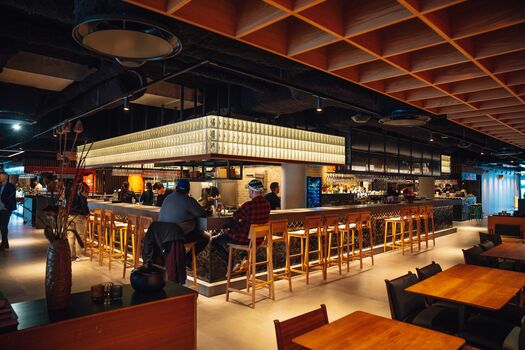
These venues are also especially useful for groups, because everyone can order completely different meals under one roof. Pósthús Food Hall, for example, currently brings together cuisines ranging from Italian and French to Korean, Mexican-style and Japanese-inspired food.
Lamb and Everyday Icelandic Comfort Food
What to Try: Lamb sandwiches, lamb burgers, grilled lamb dishes, roasted cuts, and traditional lamb soup Iceland style (kjötsúpa).
Where to Look: Casual restaurants, cafés, food halls, roadside service stations, and traditional Icelandic restaurants.
Icelandic sheep spend much of the summer grazing freely on open pastures and hillsides. Lamb remains an important local ingredient, but today it appears in far more than traditional sit-down meals. Alongside roasted lamb served at restaurants, you may find it in sandwiches, burgers, grilled dishes, and other casual meals.
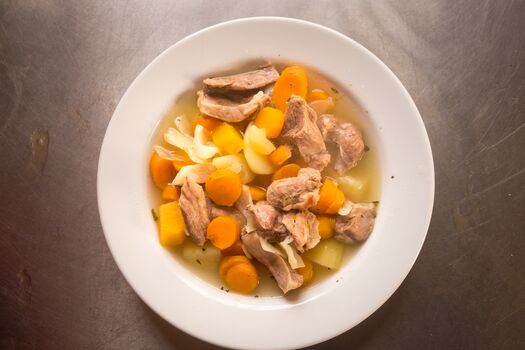
For something more traditional, kjötsúpa is a warming lamb soup made with root vegetables such as potatoes, carrots, and rutabaga. It is commonly found in cafés and restaurants, remaining one of the more familiar comfort foods in Iceland.
Quick Treats and Supermarket Favourites
What to Try: The classic Icelandic hot dog (pylsa), soft-serve ice cream (ís), chocolate-and-liquorice treats, skyr pots, and easy takeaway snacks.
Where to Look: Hot-dog stands, ice cream parlours, petrol stations, convenience stores, and supermarkets such as Bónus and Krónan.
Between sightseeing stops, there are plenty of convenient quick bites available in Iceland. The classic Icelandic hot dog (pylsa) is typically made from a blend of lamb, pork, and beef. Order it eina með öllu, or “one with everything”, for raw onion, crispy fried onion, sweet mustard, ketchup, and remoulade.
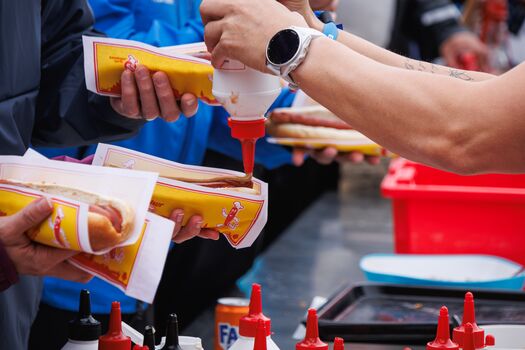
Ice cream is also popular year-round, and local ice cream parlours (ísbúðir) are a common evening stop. Supermarkets are equally useful for sampling everyday favourites. Pick up flavoured skyr, browse Icelandic chocolate and liquorice (lakkrís), or stock up on simple snacks for road trips.
To sample Icelandic treats, consider joining an Icelandic Sweet Tooth Tour. This guided walking tour is an enjoyable option for an Iceland foodie who wants to sample kleina, chocolate, and ice cream.
Best Places to Eat in Reykjavík
As Iceland’s cultural and culinary hub, Reykjavík definitely offers the widest range of dining options in the country. From food halls and bakeries to seafood restaurants, there are plenty of different ways to experience local food.
For an Easy Casual Meal
For a relaxed meal, head to the city’s food halls, neighbourhood cafés, or casual harbour bistros. Food halls such as Hlemmur Mathöll, Pósthús Food Hall, and Hafnartorg Gallery are a great choice for groups, as everyone can choose something different. One person might order local fish and chips, while another chooses pizza, tacos, or Asian-inspired street food.
For Seafood and Modern Icelandic Cooking
For seafood, the Old Harbour is one of the most useful areas to explore. Around the waterfront, you’ll find various fish-and-chips spots, seafood bistros, and restaurants serving fresh fish, shellfish, and warming soups.
Downtown Reykjavík is also a good choice for contemporary Icelandic dining. Modern Icelandic and Nordic restaurants often build their menus around local seafood, lamb, seasonal produce, and other Icelandic ingredients.
For a Special Dinner
If you are celebrating a special occasion or simply want a more refined dining experience, try an Icelandic tasting menu. Reykjavík’s fine-dining spots also often showcase locally sourced ingredients, sometimes drawing on traditional techniques such as smoking, curing, and pickling. However, popular Reykjavík restaurants can fill up quickly, particularly for evening service. If you have a particular restaurant in mind, booking ahead is recommended.
For a Quick Takeaway or Snack
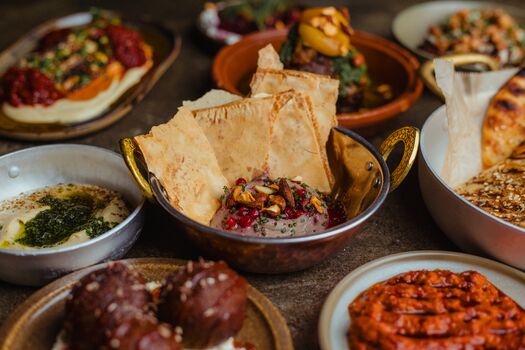
Before you set off on a full-day excursion, Reykjavík has plenty of convenient grab-and-go options. Stop at a downtown hot-dog stand such as Bæjarins Beztu Pylsur for a classic pylsa that’s easy to eat on the move. Alternatively, pick up a takeaway soup or sandwich from a café, or visit a local bakery for fresh pastries.
Eating Beyond Reykjavík: What to Look for on the Road
Leaving the capital does not mean leaving good food behind. With a little planning, you can eat well along Iceland’s main touring routes.
Stop in Towns, Not Just at Attractions
If you are wondering where to eat in Iceland beyond Reykjavík, regional towns are usually the best places to plan meal stops. Larger communities often have a useful mix of bakeries, cafés, restaurants, and supermarkets.
- Selfoss and Hveragerði: These are convenient South Iceland stops with cafés and restaurants. Selfoss has a modern food hall at The Old Dairy. Meanwhile, Hveragerði is known for geothermal food traditions, including rye bread baked using natural heat.
- Vík: A practical South Coast stop for lunch, coffee, or groceries before continuing farther east, where towns and services become more spread out.
- Höfn: One of Iceland’s best-known places for langoustine, making it a natural stop for seafood lovers travelling through the southeast.
- Borgarnes: A convenient West Iceland hub with bakeries, cafés, and takeaway options.
- Akureyri: The largest urban area outside the Reykjavík capital region. It features an especially broad choice of restaurants, cafés, bakeries, and casual food options.
- Húsavík: This northern harbour town is best known for whale watching. However, it is also a good place to look for seafood and casual harbourside dining.
What Is Actually Worth Eating at Icelandic Service Stations?
Icelandic service stations can be surprisingly useful food stops. Given the long distances between some towns, many offer more than fuel and basic snacks. Depending on the station, look for:
Icelandic Hot Dogs (Pylsur): One of the easiest hot meals to find on the road. Order yours with everything (eina með öllu) for a filling meal on the road.
Burgers and Other Hot Meals: Larger service stations may have grill counters serving burgers, fries, chicken, fish, and other casual meals.
Sandwiches and Grab-and-Go Lunches: Ready-made sandwiches, wraps, and similar takeaway options are useful when you want something quick between sightseeing stops.
Coffee and Baked Goods: Many staffed stations serve coffee alongside pastries and other baked snacks.
Soup: Some larger service centres and roadside cafés even offer hot soup, which makes a comforting lunch on colder days.
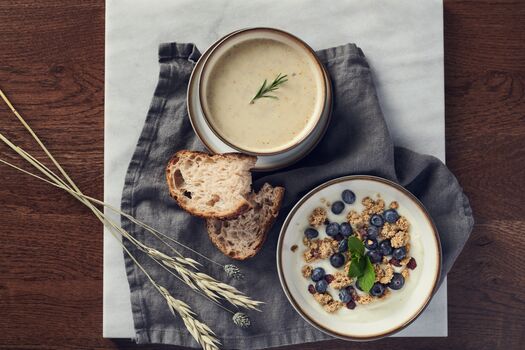
For the widest choice, look for larger staffed service stations rather than fuel-only stops. Olís is particularly useful for travellers because many locations offer hot food. N1 service centres are another practical option for meals, snacks, and basic groceries.
What Icelandic Foods Should You Buy at the Supermarket?
Trying local food in Iceland does not always require sitting down at a restaurant. Visiting a supermarket is an easy, budget-friendly way to sample everyday staples while keeping travel costs manageable. Major chains such as Bónus and Krónan can be found in Reykjavík and many larger towns around the country. Here is what to put in your basket, depending on how you’ll actually use them.
Breakfast Essentials
Skyr: Thick, high-protein cultured dairy similar to Greek yogurt. Pick up a single-serve pot for an easy breakfast, with flavours ranging from vanilla to fruit and chocolate. Some stores also sell skyr with muesli for a ready-to-eat option.
Bread and Butter: Fresh bread, rúgbrauð, and Icelandic butter make for an inexpensive breakfast or picnic base. Rúgbrauð is a dense, slightly sweet rye bread; some traditional versions are slowly baked using geothermal heat.
Cheese: Sliced or block cheeses are easy to pair with bread, fruit, or crackers for a simple morning meal.
Road-Trip Snacks
Fruit and Nuts: Apples, bananas, nuts, and trail mixes are easy to pack for long sightseeing days.
Chocolate and Liquorice: Icelandic chocolate combined with salty liquorice (lakkrís) is a popular sweet option and easy to find in supermarket confectionery aisles.
Pastries and Biscuits: Bakery sections often stock pastries, cookies, and other easy snacks for the road.
Harðfiskur: Dried fish is a traditional high-protein snack, commonly made from cod or haddock and often eaten with butter.
Easy Lunches
Flatkaka: This soft, thin rye flatbread works well with butter, cheese, or smoked lamb for a simple Icelandic lunch.
Sandwiches and Wraps: Refrigerated sections commonly stock ready-made sandwiches, wraps, subs, and other grab-and-go meals.
Salads and Light Meals: Larger supermarkets may also carry pasta salads, grain bowls, sushi, or similar ready-to-eat options.
Edible Souvenirs & Treats to Bring Home
Icelandic Chocolate: Local brands such as Omnom make an easy edible souvenir, with flavours that often feature liquorice, sea salt, or caramel.
Liquorice Sweets: If you develop a taste for lakkrís, supermarkets offer plenty of chocolate-covered and salty varieties.
Practical Tips for Icelandic Dining
A few simple habits can help you manage Iceland food prices and make eating out more convenient during your trip.
Make Lunch Your Best-Value Meal: Lunch menus at restaurants and cafés can offer good value compared with evening dining. If you want to enjoy a sit-down meal without paying dinner prices, lunch is ideal.
Use Supermarkets for Breakfast and Snacks: Pick up breakfast supplies, skyr, fruit, and road snacks at Bónus or Krónan rather than relying on convenience stores for every meal.
Drink Tap Water: Icelandic tap water is safe to drink and widely available. Bring a reusable bottle rather than buying bottled water throughout your trip.
Tipping Is Not Expected: Tipping is not part of the standard dining culture in Iceland. You can leave something extra for especially good service, but there is no obligation to do so.
Explore Like an Iceland Foodie on a Guided Tour
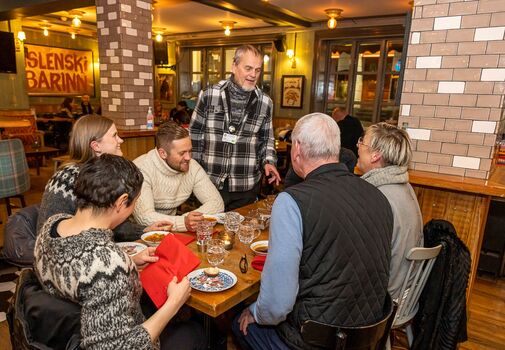
Eating well in Iceland is often less about chasing famous dishes and more about making the most of what is available along the way. Ultimately, you do not need a large budget or a strict checklist of restaurants to enjoy good local food. Cardamom buns from a neighbourhood bakery or lamb soup at a roadside stop can be just as memorable as formal dinners. By mixing sit-down meals with quick bites on the road and supermarket finds, you can enjoy an authentic Iceland foodie experience.
FAQs
What food should a first-time visitor try in Iceland?
First-timers should sample fresh fish, bakery favourites, skyr, lamb dishes, and a classic dish like an Icelandic hot dog or lamb soup. This gives you a good sense of both traditional flavours and modern fare.
What do locals actually eat in Iceland?
Locals eat seafood, lamb, skyr, bread, pastries, pasta, burgers, pizza, and international cuisines. Bakeries, cafés, food halls, supermarkets, and casual restaurants all play a part in modern Icelandic food culture.
Where should I eat in Reykjavík for casual local food?
Food halls, neighbourhood cafés, bakeries, and harbour bistros are all good choices for a relaxed meal. Here, you can try everything from fresh fish and pastries to burgers, sandwiches, and international dishes made with Icelandic ingredients.
What are some cheap foods to eat in Iceland?
More affordable options include Icelandic hot dogs, bakery sandwiches, simple soups, supermarket lunches, and snacks from Bónus or Krónan. Food halls can also be useful when you want a casual meal without booking a formal restaurant.
Is Iceland a good destination for foodies?
Yes, an Iceland foodie can experience everything from fresh seafood, lamb, and traditional dishes to artisan bakeries, street food, and international cuisine. Reykjavík has the greatest variety, but regional towns and coastal communities also offer plenty of worthwhile food stops.


Áhugaverðar ferðir


Blogg
Fáðu innblástur! Upplýsingar og góð ráð, áhugaverðir áfangastaðir, skemmtilegar staðreyndar og margt fleira. Bloggið okkar er á ensku en það er stórskemmtilegt engu að síður!


The Silver Circle of West Iceland - Your Guide
You’ve heard of the Golden Circle, but here’s why you should head to Iceland’s western region to explore the msytical Silver Circle tour route.
Lesa bloggAn Iceland Foodie Guide to What and Where to Eat
30. september 2026
An Iceland Foodie Guide to What and Where to Eat
30. september 2026
Eating well in Iceland doesn’t have to mean booking expensive Reykjavík restaurants or working your way through every traditional dish. Some of the best things to eat here are local favourites you can find in bakeries, supermarkets, food halls, and roadside stops. From sourdough and speciality coffee to fresh fish, lamb, and everyday snacks, Iceland’s food scene is varied and easy to explore. This Iceland foodie guide focuses on what is genuinely worth trying and where you are most likely to find it.
From Traditional Dishes to Modern Fare, What Is Icelandic Food?
To understand local cuisine, it helps to consider the country’s climate and environment. Traditional Icelandic food relied heavily on what could be caught, raised, or preserved locally. Fish, lamb, dairy products, potatoes, and grains formed the core diet. Preservation methods such as smoking, drying, salting, and fermenting also helped food last through the long winter months.
Food in Iceland today is much more diverse. Fresh seafood, lamb, and other local ingredients remain important parts of the diet. However, they now sit alongside artisan pastries, craft beer, international flavours, and modern Nordic dining. Locals have embraced influences from around the world, while still drawing on Icelandic ingredients and culinary traditions. Discovering the island as an Iceland foodie means enjoying a mix of heritage dishes, modern favourites, and simple everyday food. On a Reykjavík Food Lovers Tour, guides lead travellers to handpicked spots for authentic local cuisine.
What Icelanders Eat Today and Where to Find It
Favourite dishes will vary from one Iceland foodie to another, but it is generally worth focusing on quality ingredients and everyday specialities. Here is a practical guide to what to eat in Iceland and the places where you are most likely to find it.
Fresh Icelandic Fish and Seafood
What to Try: Pan-fried cod, Arctic char, langoustine, fish soup, fish and chips, and creamy plokkfiskur (fish stew).
Where to Look: Harbour bistros, seafood restaurants, casual fish-and-chips spots, and coastal towns such as Höfn and Húsavík.
Surrounded by the cold waters of the North Atlantic, Iceland is famous for high-quality seafood. Icelandic fish remains an important part of the local diet and is widely available in restaurants around the country.
Look for pan-fried catches of the day served with potatoes or vegetables, or warm up with a bowl of fish soup and bread. For a comforting local staple, try plokkfiskur, typically made with white fish, potatoes, onions, and a creamy white sauce. In the southeast, the coastal town of Höfn is especially well-known for langoustine, often called the Icelandic lobster.
Modern Bakeries, Brunch, and Coffee
What to Try: Sourdough bread, cinnamon buns (kanilsnúðar), cardamom buns, flaky pastries, eggs with smoked Arctic char, skyr bowls, and speciality coffee.
Where to Look: Independent bakeries (bakarí), neighbourhood cafés, hotel brunch spots, and food halls in Reykjavík and larger regional towns.
Breakfast-loving travellers will find plenty to enjoy in Reykjavík’s modern bakery and café scene. Artisan bakeries serve fresh sourdough, cinnamon and cardamom buns, filled pastries, and good coffee. Meanwhile, many cafés serve familiar brunch dishes with Icelandic ingredients. Popular picks include smoked Arctic char on sourdough, skyr with granola, eggs, pancakes, and other contemporary breakfast dishes. Bakeries are also useful beyond breakfast, particularly for picking up sandwiches, focaccia, or pastries for a day of sightseeing.
Food Halls and Casual Modern Dining
What to Try: Pizza, burgers, sushi, tacos, Asian-inspired dishes, small plates, craft drinks, and international street food.
Where to Look: Reykjavík food halls such as Hlemmur Mathöll, Pósthús Food Hall, Hafnartorg Gallery, and other multi-vendor dining spaces.
Food halls have become a popular part of Reykjavík’s dining scene, bringing several independent kitchens together around shared seating. They offer an easy way to experience the city’s international food culture alongside dishes made with Icelandic ingredients.
These venues are also especially useful for groups, because everyone can order completely different meals under one roof. Pósthús Food Hall, for example, currently brings together cuisines ranging from Italian and French to Korean, Mexican-style and Japanese-inspired food.
Lamb and Everyday Icelandic Comfort Food
What to Try: Lamb sandwiches, lamb burgers, grilled lamb dishes, roasted cuts, and traditional lamb soup Iceland style (kjötsúpa).
Where to Look: Casual restaurants, cafés, food halls, roadside service stations, and traditional Icelandic restaurants.
Icelandic sheep spend much of the summer grazing freely on open pastures and hillsides. Lamb remains an important local ingredient, but today it appears in far more than traditional sit-down meals. Alongside roasted lamb served at restaurants, you may find it in sandwiches, burgers, grilled dishes, and other casual meals.
For something more traditional, kjötsúpa is a warming lamb soup made with root vegetables such as potatoes, carrots, and rutabaga. It is commonly found in cafés and restaurants, remaining one of the more familiar comfort foods in Iceland.
Quick Treats and Supermarket Favourites
What to Try: The classic Icelandic hot dog (pylsa), soft-serve ice cream (ís), chocolate-and-liquorice treats, skyr pots, and easy takeaway snacks.
Where to Look: Hot-dog stands, ice cream parlours, petrol stations, convenience stores, and supermarkets such as Bónus and Krónan.
Between sightseeing stops, there are plenty of convenient quick bites available in Iceland. The classic Icelandic hot dog (pylsa) is typically made from a blend of lamb, pork, and beef. Order it eina með öllu, or “one with everything”, for raw onion, crispy fried onion, sweet mustard, ketchup, and remoulade.
Ice cream is also popular year-round, and local ice cream parlours (ísbúðir) are a common evening stop. Supermarkets are equally useful for sampling everyday favourites. Pick up flavoured skyr, browse Icelandic chocolate and liquorice (lakkrís), or stock up on simple snacks for road trips.
To sample Icelandic treats, consider joining an Icelandic Sweet Tooth Tour. This guided walking tour is an enjoyable option for an Iceland foodie who wants to sample kleina, chocolate, and ice cream.
Best Places to Eat in Reykjavík
As Iceland’s cultural and culinary hub, Reykjavík definitely offers the widest range of dining options in the country. From food halls and bakeries to seafood restaurants, there are plenty of different ways to experience local food.
For an Easy Casual Meal
For a relaxed meal, head to the city’s food halls, neighbourhood cafés, or casual harbour bistros. Food halls such as Hlemmur Mathöll, Pósthús Food Hall, and Hafnartorg Gallery are a great choice for groups, as everyone can choose something different. One person might order local fish and chips, while another chooses pizza, tacos, or Asian-inspired street food.
For Seafood and Modern Icelandic Cooking
For seafood, the Old Harbour is one of the most useful areas to explore. Around the waterfront, you’ll find various fish-and-chips spots, seafood bistros, and restaurants serving fresh fish, shellfish, and warming soups.
Downtown Reykjavík is also a good choice for contemporary Icelandic dining. Modern Icelandic and Nordic restaurants often build their menus around local seafood, lamb, seasonal produce, and other Icelandic ingredients.
For a Special Dinner
If you are celebrating a special occasion or simply want a more refined dining experience, try an Icelandic tasting menu. Reykjavík’s fine-dining spots also often showcase locally sourced ingredients, sometimes drawing on traditional techniques such as smoking, curing, and pickling. However, popular Reykjavík restaurants can fill up quickly, particularly for evening service. If you have a particular restaurant in mind, booking ahead is recommended.
For a Quick Takeaway or Snack
Before you set off on a full-day excursion, Reykjavík has plenty of convenient grab-and-go options. Stop at a downtown hot-dog stand such as Bæjarins Beztu Pylsur for a classic pylsa that’s easy to eat on the move. Alternatively, pick up a takeaway soup or sandwich from a café, or visit a local bakery for fresh pastries.
Eating Beyond Reykjavík: What to Look for on the Road
Leaving the capital does not mean leaving good food behind. With a little planning, you can eat well along Iceland’s main touring routes.
Stop in Towns, Not Just at Attractions
If you are wondering where to eat in Iceland beyond Reykjavík, regional towns are usually the best places to plan meal stops. Larger communities often have a useful mix of bakeries, cafés, restaurants, and supermarkets.
- Selfoss and Hveragerði: These are convenient South Iceland stops with cafés and restaurants. Selfoss has a modern food hall at The Old Dairy. Meanwhile, Hveragerði is known for geothermal food traditions, including rye bread baked using natural heat.
- Vík: A practical South Coast stop for lunch, coffee, or groceries before continuing farther east, where towns and services become more spread out.
- Höfn: One of Iceland’s best-known places for langoustine, making it a natural stop for seafood lovers travelling through the southeast.
- Borgarnes: A convenient West Iceland hub with bakeries, cafés, and takeaway options.
- Akureyri: The largest urban area outside the Reykjavík capital region. It features an especially broad choice of restaurants, cafés, bakeries, and casual food options.
- Húsavík: This northern harbour town is best known for whale watching. However, it is also a good place to look for seafood and casual harbourside dining.
What Is Actually Worth Eating at Icelandic Service Stations?
Icelandic service stations can be surprisingly useful food stops. Given the long distances between some towns, many offer more than fuel and basic snacks. Depending on the station, look for:
Icelandic Hot Dogs (Pylsur): One of the easiest hot meals to find on the road. Order yours with everything (eina með öllu) for a filling meal on the road.
Burgers and Other Hot Meals: Larger service stations may have grill counters serving burgers, fries, chicken, fish, and other casual meals.
Sandwiches and Grab-and-Go Lunches: Ready-made sandwiches, wraps, and similar takeaway options are useful when you want something quick between sightseeing stops.
Coffee and Baked Goods: Many staffed stations serve coffee alongside pastries and other baked snacks.
Soup: Some larger service centres and roadside cafés even offer hot soup, which makes a comforting lunch on colder days.
For the widest choice, look for larger staffed service stations rather than fuel-only stops. Olís is particularly useful for travellers because many locations offer hot food. N1 service centres are another practical option for meals, snacks, and basic groceries.
What Icelandic Foods Should You Buy at the Supermarket?
Trying local food in Iceland does not always require sitting down at a restaurant. Visiting a supermarket is an easy, budget-friendly way to sample everyday staples while keeping travel costs manageable. Major chains such as Bónus and Krónan can be found in Reykjavík and many larger towns around the country. Here is what to put in your basket, depending on how you’ll actually use them.
Breakfast Essentials
Skyr: Thick, high-protein cultured dairy similar to Greek yogurt. Pick up a single-serve pot for an easy breakfast, with flavours ranging from vanilla to fruit and chocolate. Some stores also sell skyr with muesli for a ready-to-eat option.
Bread and Butter: Fresh bread, rúgbrauð, and Icelandic butter make for an inexpensive breakfast or picnic base. Rúgbrauð is a dense, slightly sweet rye bread; some traditional versions are slowly baked using geothermal heat.
Cheese: Sliced or block cheeses are easy to pair with bread, fruit, or crackers for a simple morning meal.
Road-Trip Snacks
Fruit and Nuts: Apples, bananas, nuts, and trail mixes are easy to pack for long sightseeing days.
Chocolate and Liquorice: Icelandic chocolate combined with salty liquorice (lakkrís) is a popular sweet option and easy to find in supermarket confectionery aisles.
Pastries and Biscuits: Bakery sections often stock pastries, cookies, and other easy snacks for the road.
Harðfiskur: Dried fish is a traditional high-protein snack, commonly made from cod or haddock and often eaten with butter.
Easy Lunches
Flatkaka: This soft, thin rye flatbread works well with butter, cheese, or smoked lamb for a simple Icelandic lunch.
Sandwiches and Wraps: Refrigerated sections commonly stock ready-made sandwiches, wraps, subs, and other grab-and-go meals.
Salads and Light Meals: Larger supermarkets may also carry pasta salads, grain bowls, sushi, or similar ready-to-eat options.
Edible Souvenirs & Treats to Bring Home
Icelandic Chocolate: Local brands such as Omnom make an easy edible souvenir, with flavours that often feature liquorice, sea salt, or caramel.
Liquorice Sweets: If you develop a taste for lakkrís, supermarkets offer plenty of chocolate-covered and salty varieties.
Practical Tips for Icelandic Dining
A few simple habits can help you manage Iceland food prices and make eating out more convenient during your trip.
Make Lunch Your Best-Value Meal: Lunch menus at restaurants and cafés can offer good value compared with evening dining. If you want to enjoy a sit-down meal without paying dinner prices, lunch is ideal.
Use Supermarkets for Breakfast and Snacks: Pick up breakfast supplies, skyr, fruit, and road snacks at Bónus or Krónan rather than relying on convenience stores for every meal.
Drink Tap Water: Icelandic tap water is safe to drink and widely available. Bring a reusable bottle rather than buying bottled water throughout your trip.
Tipping Is Not Expected: Tipping is not part of the standard dining culture in Iceland. You can leave something extra for especially good service, but there is no obligation to do so.
Explore Like an Iceland Foodie on a Guided Tour
Eating well in Iceland is often less about chasing famous dishes and more about making the most of what is available along the way. Ultimately, you do not need a large budget or a strict checklist of restaurants to enjoy good local food. Cardamom buns from a neighbourhood bakery or lamb soup at a roadside stop can be just as memorable as formal dinners. By mixing sit-down meals with quick bites on the road and supermarket finds, you can enjoy an authentic Iceland foodie experience.
FAQs
What food should a first-time visitor try in Iceland?
First-timers should sample fresh fish, bakery favourites, skyr, lamb dishes, and a classic dish like an Icelandic hot dog or lamb soup. This gives you a good sense of both traditional flavours and modern fare.
What do locals actually eat in Iceland?
Locals eat seafood, lamb, skyr, bread, pastries, pasta, burgers, pizza, and international cuisines. Bakeries, cafés, food halls, supermarkets, and casual restaurants all play a part in modern Icelandic food culture.
Where should I eat in Reykjavík for casual local food?
Food halls, neighbourhood cafés, bakeries, and harbour bistros are all good choices for a relaxed meal. Here, you can try everything from fresh fish and pastries to burgers, sandwiches, and international dishes made with Icelandic ingredients.
What are some cheap foods to eat in Iceland?
More affordable options include Icelandic hot dogs, bakery sandwiches, simple soups, supermarket lunches, and snacks from Bónus or Krónan. Food halls can also be useful when you want a casual meal without booking a formal restaurant.
Is Iceland a good destination for foodies?
Yes, an Iceland foodie can experience everything from fresh seafood, lamb, and traditional dishes to artisan bakeries, street food, and international cuisine. Reykjavík has the greatest variety, but regional towns and coastal communities also offer plenty of worthwhile food stops.
Áhugaverðar ferðir
Blogg
Fáðu innblástur! Upplýsingar og góð ráð, áhugaverðir áfangastaðir, skemmtilegar staðreyndar og margt fleira. Bloggið okkar er á ensku en það er stórskemmtilegt engu að síður!
The Silver Circle of West Iceland - Your Guide
You’ve heard of the Golden Circle, but here’s why you should head to Iceland’s western region to explore the msytical Silver Circle tour route.
Lesa blogg