

How to Spend 3 Days in Reykjavík
4. júní 2026
How to Spend 3 Days in Reykjavík
4. júní 2026
The truth is, you could spend weeks or even months exploring Iceland without running out of incredible places to see. However, even a short trip can be deeply rewarding. Spending three days in Reykjavík offers the perfect balance between city culture and natural adventures. By basing yourself in the world’s northernmost capital, you can explore colourful streets, independent boutiques, museums, and exceptional dining. At the same time, Reykjavík is a convenient gateway to Iceland’s world-famous landscapes.
Is 3 Days in Reykjavík Enough?
Yes, three days in Reykjavík is an ideal amount of time for a first visit. Iceland’s capital is surprisingly compact and easy to navigate. It allows travellers to explore its colourful streets, local boutiques, cafés, and renowned museums within a single day.
For those wanting to experience more of Iceland beyond the city, Reykjavík also serves as an excellent base. With organised day tours from Reykjavík, you can easily visit iconic Icelandic attractions without needing to drive yourself. A three-day Iceland itinerary has limitations, but it’s definitely enough time for a diverse taste of Iceland’s landscapes without feeling rushed.
Day 1: Reykjavík’s City Centre
Kick off three days in Reykjavík by diving into the creative energy of the world’s northernmost capital. The city centre is extremely compact, so you can skip public transport or car rentals for much of the day. Many attractions are reachable on foot, making a walking tour of Reykjavík among the best ways to experience the city.
Laugavegur and Hallgrímskirkja
A wonderful place to begin the morning is Hallgrímskirkja, the towering concrete church that dominates Reykjavík’s skyline. Its striking architecture was inspired by the basalt lava columns found throughout Icelandic nature. For a small admission fee, visitors can take the lift to the top of the tower to enjoy views of the city.

From the church, wander down Skólavörðustígur (famously known as the Rainbow Street) towards Laugavegur, Reykjavík’s main shopping street. This lively area is filled with cosy cafés, independent boutiques, and shops selling traditional Icelandic wool knitwear and contemporary design pieces. Along the way, stop at a bakery for a coffee and snúður, an Icelandic cinnamon roll.
The Waterfront and Grandi Harbour
Many tours in Reykjavík take travellers to the shoreline to visit Harpa Concert Hall, a marvel of contemporary Icelandic architecture. Even if you aren’t catching a performance, this building is well worth exploring. Its striking geometric glass façade was inspired by Iceland’s basalt landscapes and the shimmering colours of the Northern Lights. Just a short walk east, along the scenic promenade, you’ll find the Sun Voyager sculpture, a striking ode to the sun.
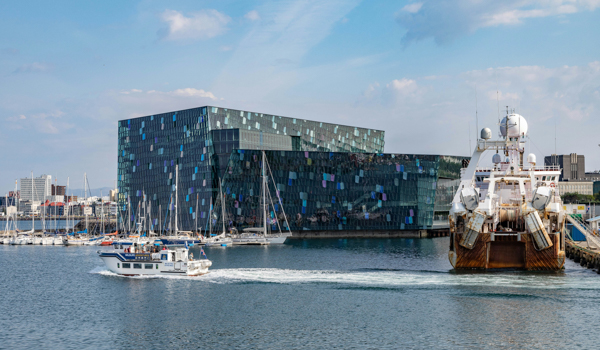
If you follow the scenic seaside path westwards, you’ll find yourself in the Reykjavík Old Harbour. Once the centre of the city’s fishing industry, the historic waterfront area has evolved into the vibrant Grandi Harbour District. Former fishing warehouses now house artisan ice cream parlours, craft breweries, stylish cafés, and fascinating museums. The area is also home to FlyOver Iceland, a flight simulation experience that lets visitors soar over glaciers, volcanoes, and waterfalls.
Icelandic Dining and Nightlife
For the first evening of your three days in Reykjavík, take time to experience the capital’s diverse culinary scene. One of the best ways to discover authentic Icelandic cuisine is by joining a Reykjavík food walk. Travellers can sample a bit of everything, from local specialities to hidden culinary gems.

For something casual, visit Bæjarins Beztu Pylsur, Reykjavík’s legendary hot dog stand by the harbour that’s been around since 1937. If you prefer a sit-down meal, Grandi and the city centre offer excellent restaurants specialising in fresh seafood and Icelandic lamb. Afterwards, cap off the night at Reykjavík’s assortment of cosy pubs, stylish cocktail bars, and live music venues.
Day 2: Golden Circle
Next up, the Golden Circle. No stay in the capital is complete without venturing along Iceland’s most celebrated sightseeing route. This classic circuit loops from Reykjavík into southern Iceland and back, showcasing geological wonders, waterfalls, and historic landmarks. Even with just three days in Reykjavík, this is a must-see. For travellers short on time, a Golden Circle half-day tour efficiently bundles all the main sights into a shorter timeframe.
Þingvellir National Park
The first stop on most Golden Circle tours is Þingvellir (Thingvellir) National Park, a UNESCO World Heritage Site. Today, the park’s rugged lava fields, crystal-clear waters, and striking landscapes make it one of Iceland’s most fascinating natural landmarks. Walk through the Almannagjá gorge, part of the rift valley where the North American and Eurasian tectonic plates are pulling apart.

Þingvellir also holds a special place in Icelandic history. It was the site of the Alþingi, one of the world’s oldest parliamentary institutions, established in 930 AD.
Geysir Geothermal Area

Next, head into the Haukadalur valley, where the Geysir Geothermal Area awaits with steaming vents, hot springs, and bubbling mud pools. The famous Great Geysir (the hot spring that gave the English word “geyser” its name) is largely dormant. Fortunately, its neighbour, Strokkur, remains remarkably reliable. Every five to 10 minutes, this hyperactive geyser blasts boiling water up to 30 metres (98 feet) in the air. Keep your camera ready, as the water briefly forms a brilliant blue dome moments before each dramatic eruption.
Gullfoss Waterfall

Just a short drive further inland lies Gullfoss, the “Golden Falls.” Fed by the melting waters of Langjökull, the Hvítá river plunges 32 metres (105 feet) into a deep, rugged canyon. On sunny days, the heavy mist from the roaring falls creates brilliant rainbows across the canyon. There are multiple viewing platforms, allowing visitors to view Gullfoss from both above and right next to the rushing water.
Kerið Crater
If you have extra time, make a stop at Kerið, a striking volcanic crater lake believed to be around 3,000 years old. Unlike many of Iceland’s darker volcanic landscapes, Kerið is especially known for its vivid natural colours. The crater’s deep red volcanic rock contrasts beautifully with the surrounding moss-covered slopes and the brilliant aquamarine water below. A gentle walking trail circles the rim of the crater, while a wooden staircase leads visitors down to the lake’s edge.
Day 3: Reykjavík Cultural Landmarks and Blue Lagoon
To round off your three days in Reykjavík, enjoy a relaxed day that balances Icelandic history, immersive exhibits, and geothermal relaxation. Spend the morning exploring cultural attractions in the capital before heading towards Keflavík Airport for your departure.
National Museum of Iceland
Start your final morning with a deeper look into Iceland’s fascinating past at the National Museum of Iceland. Just walking distance from the centre, this thoughtfully curated museum traces Iceland’s history from the Viking settlement era to modern times. Here, marvel at medieval church treasures, traditional fishing equipment, ancient tools, and centuries-old manuscripts. A staple of tours in Reykjavík, it provides cultural context for everything you experienced over the last two days.
Perlan Museum
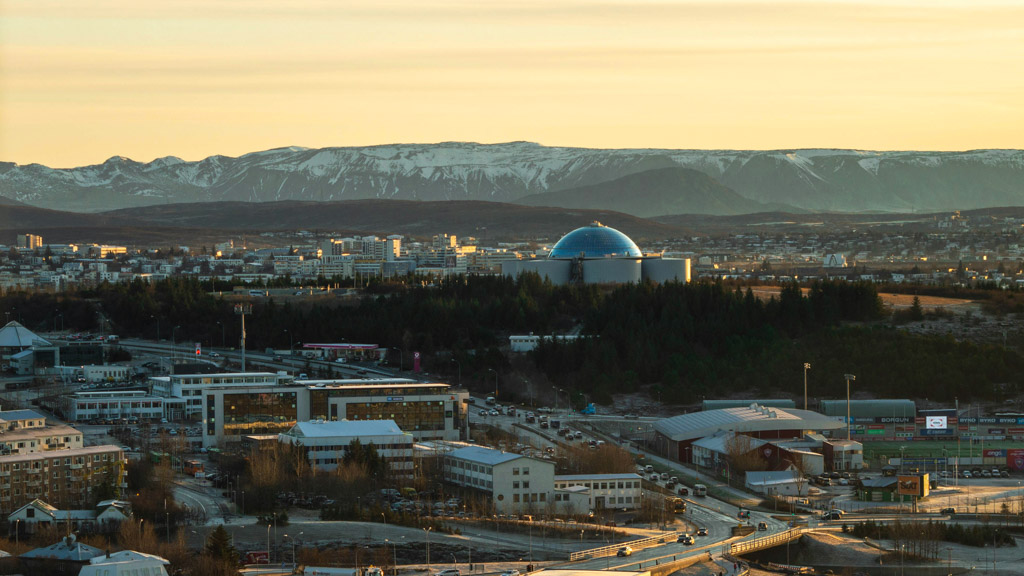
Next, head just outside the downtown core to Perlan, a museum on Icelandic nature that’s among the hidden gems in Reykjavík. Perched atop Öskjuhlíð hill, this futuristic glass dome features interactive natural history exhibitions on glaciers, volcanoes, wildlife, and geothermal forces. Among its highlights is a real indoor ice cave constructed from snow and ice, allowing travellers to experience glacial conditions year-round. Before you leave, step onto the 360-degree observation deck for one last, spectacular panoramic view of the city.
The Blue Lagoon
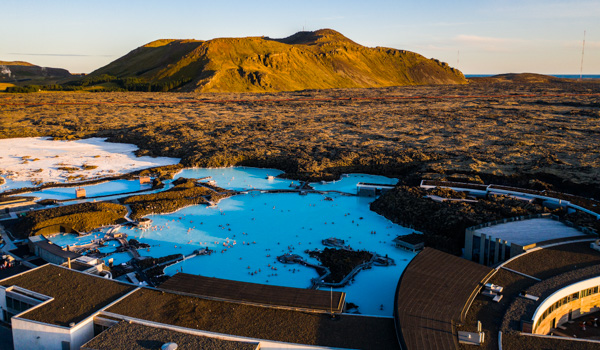
Conclude three days in Reykjavík with a visit to the Blue Lagoon, arguably the most iconic bathing experience on Earth. Nestled in the heart of a lava field, this geothermal spa is renowned for its mineral-rich, milky-blue waters. Even better, the geothermal lagoon stays a soothing 37–39°C (98–102°F) year-round. There’s nothing quite like enjoying a long, warm soak before hopping on your flight out of the country.
Bonus: Seasonal Activities in Reykjavík
Depending on what month you’re spending three days in Reykjavík, you can round out your itinerary with incredible seasonal adventures. These classic experiences take full advantage of Iceland’s changing seasons.
Winter: Chasing the Northern Lights
If you’re visiting Iceland between September and April, witnessing the auroras dance across the Arctic sky is an absolute must. Aurora sightings depend heavily on weather conditions and solar activity. Thus, joining an organised Northern Lights tour is often the best way to maximise your chances. Experienced guides monitor real-time cloud cover and aurora forecasts before heading into darker countryside areas with clearer viewing conditions.
Summer: Whale Watching
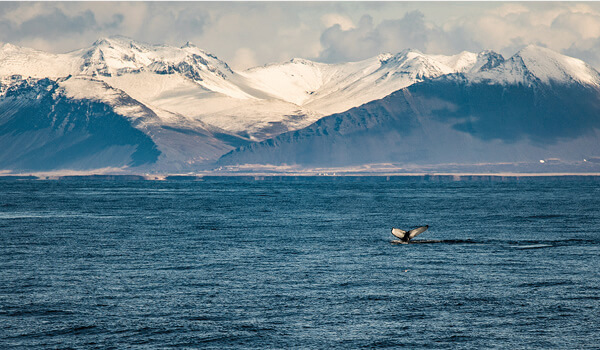
For travellers visiting during the summer months, whale watching is one of the most popular things to do in Reykjavík. Tours depart from Reykjavík Old Harbour and cruise into Faxaflói Bay, where nutrient-rich waters attract a variety of marine wildlife. Summer visitors commonly spot humpback whales, minke whales, white-beaked dolphins, and harbour porpoises, while lucky travellers may even encounter orcas.
Getting Around Reykjavík and Nearby Attractions
Navigating the capital and even its surrounding areas is remarkably stress-free. Because the city centre is so compact, exploring the immediate downtown core on foot is highly rewarding.

However, when venturing further to top sights like Perlan or the Grandi district, hop-on hop-off bus sightseeing tours are a convenient way to roam the city. These comfortable double-decker buses loop seamlessly between Reykjavík’s iconic landmarks, allowing you to customise your schedule and escape unpredictable weather.
For attractions beyond the city limits, logistics remain straightforward. Reykjavík is the main hub for the Flybus airport transfer and regional transport. Best of all, many tours from Reykjavík include pick-up and drop-off services from designated bus stops for utmost convenience.
Best Time to Spend 3 Days in Reykjavík
Every season casts a completely different light on Iceland's capital, making it a fantastic year-round destination. Because three days in Reykjavík rely on day trips, choosing the right time ultimately comes down to the experience you want.
Spring
Ideal for travellers seeking fewer crowds, improving weather, and steadily increasing daylight hours as Reykjavík emerges from winter. It can also be a more budget-friendly period compared to peak summer travel.
Summer
Brings the surreal beauty of the Midnight Sun, milder temperatures, and extended daylight, perfect for sightseeing. It is also one of the best times for whale watching tours departing from Reykjavík Old Harbour.
Autumn
Offers colourful landscapes, quieter attractions, and the return of darker skies as Northern Lights season begins. The cooler temperatures and changing scenery make it a particularly scenic time for road trips and excursions.
Winter
Transforms Reykjavík into a cosy winter destination filled with festive lights, snowy scenery, and seasonal charm. Winter also provides the best opportunity to experience frozen landscapes and hunt for the Northern Lights beyond the city.
Tips for Making the Most of 3 Days in Reykjavík
To truly maximise a short city break, a little strategic planning goes a long way. These expert tips will help you save time, streamline your sightseeing, and dive straight into the local culture.

Book Popular Attractions in Advance: Experiences such as the Blue Lagoon, Northern Lights tours, and whale watching excursions often sell out. Booking ahead helps secure your preferred times and avoids disappointment.
Join a Food Tour: Combine your sightseeing with your meals by joining a traditional Icelandic food tour. It’s an efficient (and delicious) way to explore the city centre on foot while sampling local delicacies like fresh seafood.
Opt for a City Tour Over a Rental: Don't stress about navigating unfamiliar city streets or icy winter roads. Book a hop-on-hop-off tour for a seamless experience exploring must-see Reykjavík landmarks.
Pack for All Weathers: Icelandic weather is notoriously fickle and can change in a heartbeat. Always dress in layers, ideally with a thermal base layer and a waterproof outer shell.
Plan Around Daylight Hours: Daylight varies dramatically depending on the season. Summer brings nearly endless daylight for sightseeing, while winter days are much shorter. Planning excursions around available daylight can help you maximise your itinerary.


Áhugaverðar ferðir


Blogg
Fáðu innblástur! Upplýsingar og góð ráð, áhugaverðir áfangastaðir, skemmtilegar staðreyndar og margt fleira. Bloggið okkar er á ensku en það er stórskemmtilegt engu að síður!


The Silver Circle of West Iceland - Your Guide
You’ve heard of the Golden Circle, but here’s why you should head to Iceland’s western region to explore the msytical Silver Circle tour route.
Lesa bloggHow to Spend 3 Days in Reykjavík
4. júní 2026
How to Spend 3 Days in Reykjavík
4. júní 2026
The truth is, you could spend weeks or even months exploring Iceland without running out of incredible places to see. However, even a short trip can be deeply rewarding. Spending three days in Reykjavík offers the perfect balance between city culture and natural adventures. By basing yourself in the world’s northernmost capital, you can explore colourful streets, independent boutiques, museums, and exceptional dining. At the same time, Reykjavík is a convenient gateway to Iceland’s world-famous landscapes.
Is 3 Days in Reykjavík Enough?
Yes, three days in Reykjavík is an ideal amount of time for a first visit. Iceland’s capital is surprisingly compact and easy to navigate. It allows travellers to explore its colourful streets, local boutiques, cafés, and renowned museums within a single day.
For those wanting to experience more of Iceland beyond the city, Reykjavík also serves as an excellent base. With organised day tours from Reykjavík, you can easily visit iconic Icelandic attractions without needing to drive yourself. A three-day Iceland itinerary has limitations, but it’s definitely enough time for a diverse taste of Iceland’s landscapes without feeling rushed.
Day 1: Reykjavík’s City Centre
Kick off three days in Reykjavík by diving into the creative energy of the world’s northernmost capital. The city centre is extremely compact, so you can skip public transport or car rentals for much of the day. Many attractions are reachable on foot, making a walking tour of Reykjavík among the best ways to experience the city.
Laugavegur and Hallgrímskirkja
A wonderful place to begin the morning is Hallgrímskirkja, the towering concrete church that dominates Reykjavík’s skyline. Its striking architecture was inspired by the basalt lava columns found throughout Icelandic nature. For a small admission fee, visitors can take the lift to the top of the tower to enjoy views of the city.
From the church, wander down Skólavörðustígur (famously known as the Rainbow Street) towards Laugavegur, Reykjavík’s main shopping street. This lively area is filled with cosy cafés, independent boutiques, and shops selling traditional Icelandic wool knitwear and contemporary design pieces. Along the way, stop at a bakery for a coffee and snúður, an Icelandic cinnamon roll.
The Waterfront and Grandi Harbour
Many tours in Reykjavík take travellers to the shoreline to visit Harpa Concert Hall, a marvel of contemporary Icelandic architecture. Even if you aren’t catching a performance, this building is well worth exploring. Its striking geometric glass façade was inspired by Iceland’s basalt landscapes and the shimmering colours of the Northern Lights. Just a short walk east, along the scenic promenade, you’ll find the Sun Voyager sculpture, a striking ode to the sun.
If you follow the scenic seaside path westwards, you’ll find yourself in the Reykjavík Old Harbour. Once the centre of the city’s fishing industry, the historic waterfront area has evolved into the vibrant Grandi Harbour District. Former fishing warehouses now house artisan ice cream parlours, craft breweries, stylish cafés, and fascinating museums. The area is also home to FlyOver Iceland, a flight simulation experience that lets visitors soar over glaciers, volcanoes, and waterfalls.
Icelandic Dining and Nightlife
For the first evening of your three days in Reykjavík, take time to experience the capital’s diverse culinary scene. One of the best ways to discover authentic Icelandic cuisine is by joining a Reykjavík food walk. Travellers can sample a bit of everything, from local specialities to hidden culinary gems.
For something casual, visit Bæjarins Beztu Pylsur, Reykjavík’s legendary hot dog stand by the harbour that’s been around since 1937. If you prefer a sit-down meal, Grandi and the city centre offer excellent restaurants specialising in fresh seafood and Icelandic lamb. Afterwards, cap off the night at Reykjavík’s assortment of cosy pubs, stylish cocktail bars, and live music venues.
Day 2: Golden Circle
Next up, the Golden Circle. No stay in the capital is complete without venturing along Iceland’s most celebrated sightseeing route. This classic circuit loops from Reykjavík into southern Iceland and back, showcasing geological wonders, waterfalls, and historic landmarks. Even with just three days in Reykjavík, this is a must-see. For travellers short on time, a Golden Circle half-day tour efficiently bundles all the main sights into a shorter timeframe.
Þingvellir National Park
The first stop on most Golden Circle tours is Þingvellir (Thingvellir) National Park, a UNESCO World Heritage Site. Today, the park’s rugged lava fields, crystal-clear waters, and striking landscapes make it one of Iceland’s most fascinating natural landmarks. Walk through the Almannagjá gorge, part of the rift valley where the North American and Eurasian tectonic plates are pulling apart.
Þingvellir also holds a special place in Icelandic history. It was the site of the Alþingi, one of the world’s oldest parliamentary institutions, established in 930 AD.
Geysir Geothermal Area
Next, head into the Haukadalur valley, where the Geysir Geothermal Area awaits with steaming vents, hot springs, and bubbling mud pools. The famous Great Geysir (the hot spring that gave the English word “geyser” its name) is largely dormant. Fortunately, its neighbour, Strokkur, remains remarkably reliable. Every five to 10 minutes, this hyperactive geyser blasts boiling water up to 30 metres (98 feet) in the air. Keep your camera ready, as the water briefly forms a brilliant blue dome moments before each dramatic eruption.
Gullfoss Waterfall
Just a short drive further inland lies Gullfoss, the “Golden Falls.” Fed by the melting waters of Langjökull, the Hvítá river plunges 32 metres (105 feet) into a deep, rugged canyon. On sunny days, the heavy mist from the roaring falls creates brilliant rainbows across the canyon. There are multiple viewing platforms, allowing visitors to view Gullfoss from both above and right next to the rushing water.
Kerið Crater
If you have extra time, make a stop at Kerið, a striking volcanic crater lake believed to be around 3,000 years old. Unlike many of Iceland’s darker volcanic landscapes, Kerið is especially known for its vivid natural colours. The crater’s deep red volcanic rock contrasts beautifully with the surrounding moss-covered slopes and the brilliant aquamarine water below. A gentle walking trail circles the rim of the crater, while a wooden staircase leads visitors down to the lake’s edge.
Day 3: Reykjavík Cultural Landmarks and Blue Lagoon
To round off your three days in Reykjavík, enjoy a relaxed day that balances Icelandic history, immersive exhibits, and geothermal relaxation. Spend the morning exploring cultural attractions in the capital before heading towards Keflavík Airport for your departure.
National Museum of Iceland
Start your final morning with a deeper look into Iceland’s fascinating past at the National Museum of Iceland. Just walking distance from the centre, this thoughtfully curated museum traces Iceland’s history from the Viking settlement era to modern times. Here, marvel at medieval church treasures, traditional fishing equipment, ancient tools, and centuries-old manuscripts. A staple of tours in Reykjavík, it provides cultural context for everything you experienced over the last two days.
Perlan Museum
Next, head just outside the downtown core to Perlan, a museum on Icelandic nature that’s among the hidden gems in Reykjavík. Perched atop Öskjuhlíð hill, this futuristic glass dome features interactive natural history exhibitions on glaciers, volcanoes, wildlife, and geothermal forces. Among its highlights is a real indoor ice cave constructed from snow and ice, allowing travellers to experience glacial conditions year-round. Before you leave, step onto the 360-degree observation deck for one last, spectacular panoramic view of the city.
The Blue Lagoon
Conclude three days in Reykjavík with a visit to the Blue Lagoon, arguably the most iconic bathing experience on Earth. Nestled in the heart of a lava field, this geothermal spa is renowned for its mineral-rich, milky-blue waters. Even better, the geothermal lagoon stays a soothing 37–39°C (98–102°F) year-round. There’s nothing quite like enjoying a long, warm soak before hopping on your flight out of the country.
Bonus: Seasonal Activities in Reykjavík
Depending on what month you’re spending three days in Reykjavík, you can round out your itinerary with incredible seasonal adventures. These classic experiences take full advantage of Iceland’s changing seasons.
Winter: Chasing the Northern Lights
If you’re visiting Iceland between September and April, witnessing the auroras dance across the Arctic sky is an absolute must. Aurora sightings depend heavily on weather conditions and solar activity. Thus, joining an organised Northern Lights tour is often the best way to maximise your chances. Experienced guides monitor real-time cloud cover and aurora forecasts before heading into darker countryside areas with clearer viewing conditions.
Summer: Whale Watching
For travellers visiting during the summer months, whale watching is one of the most popular things to do in Reykjavík. Tours depart from Reykjavík Old Harbour and cruise into Faxaflói Bay, where nutrient-rich waters attract a variety of marine wildlife. Summer visitors commonly spot humpback whales, minke whales, white-beaked dolphins, and harbour porpoises, while lucky travellers may even encounter orcas.
Getting Around Reykjavík and Nearby Attractions
Navigating the capital and even its surrounding areas is remarkably stress-free. Because the city centre is so compact, exploring the immediate downtown core on foot is highly rewarding.
However, when venturing further to top sights like Perlan or the Grandi district, hop-on hop-off bus sightseeing tours are a convenient way to roam the city. These comfortable double-decker buses loop seamlessly between Reykjavík’s iconic landmarks, allowing you to customise your schedule and escape unpredictable weather.
For attractions beyond the city limits, logistics remain straightforward. Reykjavík is the main hub for the Flybus airport transfer and regional transport. Best of all, many tours from Reykjavík include pick-up and drop-off services from designated bus stops for utmost convenience.
Best Time to Spend 3 Days in Reykjavík
Every season casts a completely different light on Iceland's capital, making it a fantastic year-round destination. Because three days in Reykjavík rely on day trips, choosing the right time ultimately comes down to the experience you want.
Spring
Ideal for travellers seeking fewer crowds, improving weather, and steadily increasing daylight hours as Reykjavík emerges from winter. It can also be a more budget-friendly period compared to peak summer travel.
Summer
Brings the surreal beauty of the Midnight Sun, milder temperatures, and extended daylight, perfect for sightseeing. It is also one of the best times for whale watching tours departing from Reykjavík Old Harbour.
Autumn
Offers colourful landscapes, quieter attractions, and the return of darker skies as Northern Lights season begins. The cooler temperatures and changing scenery make it a particularly scenic time for road trips and excursions.
Winter
Transforms Reykjavík into a cosy winter destination filled with festive lights, snowy scenery, and seasonal charm. Winter also provides the best opportunity to experience frozen landscapes and hunt for the Northern Lights beyond the city.
Tips for Making the Most of 3 Days in Reykjavík
To truly maximise a short city break, a little strategic planning goes a long way. These expert tips will help you save time, streamline your sightseeing, and dive straight into the local culture.
Book Popular Attractions in Advance: Experiences such as the Blue Lagoon, Northern Lights tours, and whale watching excursions often sell out. Booking ahead helps secure your preferred times and avoids disappointment.
Join a Food Tour: Combine your sightseeing with your meals by joining a traditional Icelandic food tour. It’s an efficient (and delicious) way to explore the city centre on foot while sampling local delicacies like fresh seafood.
Opt for a City Tour Over a Rental: Don't stress about navigating unfamiliar city streets or icy winter roads. Book a hop-on-hop-off tour for a seamless experience exploring must-see Reykjavík landmarks.
Pack for All Weathers: Icelandic weather is notoriously fickle and can change in a heartbeat. Always dress in layers, ideally with a thermal base layer and a waterproof outer shell.
Plan Around Daylight Hours: Daylight varies dramatically depending on the season. Summer brings nearly endless daylight for sightseeing, while winter days are much shorter. Planning excursions around available daylight can help you maximise your itinerary.
Áhugaverðar ferðir
Blogg
Fáðu innblástur! Upplýsingar og góð ráð, áhugaverðir áfangastaðir, skemmtilegar staðreyndar og margt fleira. Bloggið okkar er á ensku en það er stórskemmtilegt engu að síður!
The Silver Circle of West Iceland - Your Guide
You’ve heard of the Golden Circle, but here’s why you should head to Iceland’s western region to explore the msytical Silver Circle tour route.
Lesa blogg