

A Few of our (least) Favourite Faux Pas
Taboos, oddities and cultural quirks
February 4, 2026
A Few of our (least) Favourite Faux Pas
Taboos, oddities and cultural quirks
February 4, 2026
Icelanders are generally quite liberal so truly offending someone based on a cultural misunderstanding isn’t very likely. We know our hot water smells like farts and we don’t really expect anyone to enjoy our fermented shark. While Iceland doesn’t have many strict taboos compared with some cultures, there are a handful of social and cultural no-gos that visitors should be aware of and a few things worth mentioning that could make your average Icelander uncomfortable, even insulted. These are not formal rules, and you won’t get arrested for most of them (except the actual traffic law violations maybe), but they are the kinds of everyday cultural quirks that tend to make locals quietly sigh, exchange a look, or tell a story about you later over coffee.
Ladies and Gentlemen!
Never assume traditional gender roles. Odds are they are not as traditional as where you are from and the most powerful person in the room could very well be a young woman, a transgender man or a non-binary person. When meeting people for the first time, it might be wise to not assume they are heterosexual and cisgender, and addressing a male adult expecting him to answer for his partner is not recommended. This country boasts an impressive equality score while acknowledging that there is always room for improvement. In short: lead with respect, not assumptions, and you’ll be absolutely fine. Icelanders are much more likely to notice how you behave than what box you try to put people in.
Shoes or no Shoes?
Unless specifically instructed otherwise, take off your shoes before entering a home. Ice in the streets in winter is often combatted with sand or salt, neither of which you want on your floorboards. It's not uncommon for hosts to instruct their guests to keep their shoes on when they arrive, only for the guest to argue that their shoes are not clean enough, the host to then counter with their floors being dirty and needing a wash and this being a good 30 seconds of arguing in the foyer before someone gives in. This awkward little dance is not a test. There is no correct answer. It is simply how we communicate hospitality, politeness, and mild discomfort all at once.
The Ultimate Taboo
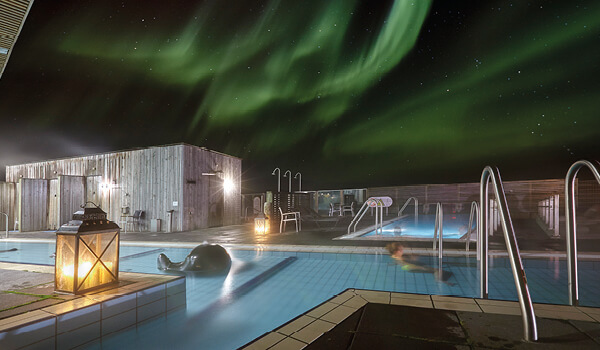
Wash yourself with soap without a swimsuit before entering any pool. This is a big one, widely considered one of the clearest social taboos in Iceland and (with the exception of messing up our landscapes) just about the only thing that can really piss your average Icelander off. This was one of the first pain points of growing tourism in the country and there is a noticeable growing intolerance for this off-putting behaviour of people not washing properly before entering our pools. Think of it this way: The Icelandic swimming pool functions a lot like the English pub. It's where we gather after a long day at work, catch up with friends, neighbours and strangers for a chat about whatever is going on that day, which is sometimes politics, always the weather. Our children learn how to swim and spend a lot of their playtime in the pool. We go on dates here, do our exercise here and relax here. The geothermal water of Iceland is one of the key reasons this remote island in the north Atlantic has been sustainably inhabited and our pools are our everyday celebration of that. One of the things that makes them so special is the fact that they use far less chlorine than is typical in most other countries, hence the rigorous bathing routine. So yes, the signs are serious, the rules are strict, and the naked shower is non-negotiable. It’s not about embarrassment; it’s about hygiene, respect, and keeping one of our most beloved communal spaces pleasant for everyone.
Road Safety
Never stop your car in the middle of the road to take pictures. Not even if there’s nobody around for miles and miles. With breath-taking sights at every turn, this can actually be quite challenging, but this is a huge safety issue on our roads. Just drive a little further and you’ll find a safe spot to pull over and gaze peacefully at whatever natural wonder just appeared in front of you. If you see other cars pulled over, that doesn’t automatically mean it’s a safe stopping place. When in doubt, keep driving. The scenery will still be there — and we’d much prefer you alive to admire it.
This is no Pony
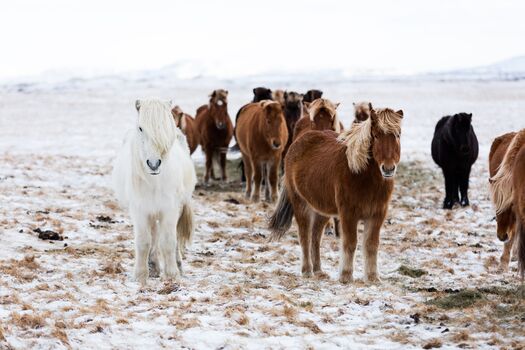
The Icelandic horse is a rather small breed that puts on a thick winter coat which makes it incredibly fluffy and adorable during the winter months. But it is also a point of pride in Iceland for its unique character, its glorious extra gait, its amazing stamina and ability to cross very rough terrain. To an Icelander it is the best working animal a farmer could have and the most beautiful champion of regal gaits. So calling it a pony is truly offensive to those that know and work with this breed. They actually come in many shapes and sizes and can be all sorts of crazy characters so for most of us, it's not a pet or a petting zoo attraction. It's our most trusted vehicle, our toughest farm worker, an incredible safety measure in remote areas, a great friend and for many, a part of our family. The Icelandic horse is one of the most protected breeds in the world, to ensure its good health and to protect its unique characteristics. For this reason, you are for example not allowed to bring used tack into the country and be sure to thoroughly clean your boots and clothing.
Respect the Lamb
While we do understand that our fermented shark is an acquired taste, we might honestly take offense if you insult our lamb dishes. This free-roaming purebred is after all, the best meat in the world* and we're incredibly proud of it. Lamb is prepared in many different ways in Iceland but a leg of lamb is probably the most classic Sunday roast in many homes, a staple in the Icelandic cuisine and big favourite in many families. The leg of lamb, rack of lamb or traditional cutlets should look familiar to most nationalities but we do have some scary versions of this meat. Svið is a notable one, a singed sheep's head that looks far scarier than it tastes. It’s usually served cold, sliced thin, and eaten with a surprising amount of enthusiasm by people who grew up with it. If you're lucky enough to be invited to taste Svið and you're a fussy eater, just don't make eye contact and stick to the jawbone. Parts of the head or deemed more of a delicacy than others, many favour the tongue while the eyeball is a huge hit for others. To each their own and remember: you are allowed not to like it — you’re just not allowed to be rude about it.
We’re on a First-Name Basis Here
Never address people with their last names. Last names in Iceland are usually the name of a person’s father or mother coupled with “son” or “daughter” and are rarely used except in the bureaucratic context of a person’s full name. This includes our president Halla by the way. We might half ironically throw in a "sir" or "madam" when referring to the sitting president in conversation to differentiate from others, but never to their face. That would just be weird. If you’re unsure what to call someone, their first name is always the safest and most correct option — whether they’re your guide, your host, or the president.
Nature Rules
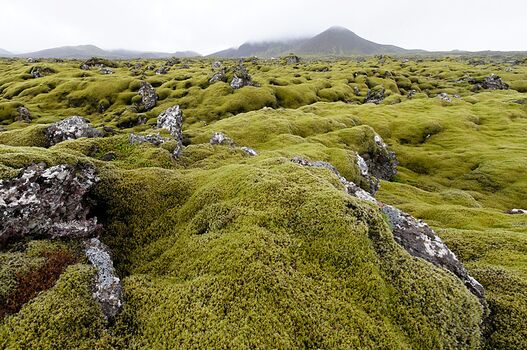
Treat nature with the utmost respect. The general rule of thumb here is to leave it exactly like you found it. Don’t pick at moss or other plant life that are doing their absolute best and trying their hardest to grow here and keep in mind that off-road driving is considered something of a cardinal sin, as well as a criminal offence complete with a hefty fine. Few can comfortably afford it and nobody can afford the brutal shame that will accompany it. Trees are few and far between so think twice before defiling one and we are remarkably attached to our moss. It is a truly extraordinary plant and plays a huge part in the Icelandic landscapes. It takes a very long time to grow so if you step on it, that footprint might be there for decades. When Icelanders talk about protecting nature, it’s not abstract environmentalism — it’s about preserving the very thing that makes this place feel like home.
Some of these might be obvious, others odd, but don’t worry too much about it. Icelanders are quite laid back and generally just appreciate the effort of respectfulness. Make an effort, ask questions if you’re unsure, and laugh with us when things feel a bit unfamiliar. That goes a long way here.
*According to a study conducted verbally in the Icelandia offices


Tours in the spotlight


REYKJAVIK EXCURSIONS BLOG
Get inspired! Information and tips and must see places in Iceland, fun facts, customs and more.


The Silver Circle of West Iceland - Your Guide
You’ve heard of the Golden Circle, but here’s why you should head to Iceland’s western region to explore the msytical Silver Circle tour route.
Read BlogA Few of our (least) Favourite Faux Pas
Taboos, oddities and cultural quirks
February 4, 2026
A Few of our (least) Favourite Faux Pas
Taboos, oddities and cultural quirks
February 4, 2026
Icelanders are generally quite liberal so truly offending someone based on a cultural misunderstanding isn’t very likely. We know our hot water smells like farts and we don’t really expect anyone to enjoy our fermented shark. While Iceland doesn’t have many strict taboos compared with some cultures, there are a handful of social and cultural no-gos that visitors should be aware of and a few things worth mentioning that could make your average Icelander uncomfortable, even insulted. These are not formal rules, and you won’t get arrested for most of them (except the actual traffic law violations maybe), but they are the kinds of everyday cultural quirks that tend to make locals quietly sigh, exchange a look, or tell a story about you later over coffee.
Ladies and Gentlemen!
Never assume traditional gender roles. Odds are they are not as traditional as where you are from and the most powerful person in the room could very well be a young woman, a transgender man or a non-binary person. When meeting people for the first time, it might be wise to not assume they are heterosexual and cisgender, and addressing a male adult expecting him to answer for his partner is not recommended. This country boasts an impressive equality score while acknowledging that there is always room for improvement. In short: lead with respect, not assumptions, and you’ll be absolutely fine. Icelanders are much more likely to notice how you behave than what box you try to put people in.
Shoes or no Shoes?
Unless specifically instructed otherwise, take off your shoes before entering a home. Ice in the streets in winter is often combatted with sand or salt, neither of which you want on your floorboards. It's not uncommon for hosts to instruct their guests to keep their shoes on when they arrive, only for the guest to argue that their shoes are not clean enough, the host to then counter with their floors being dirty and needing a wash and this being a good 30 seconds of arguing in the foyer before someone gives in. This awkward little dance is not a test. There is no correct answer. It is simply how we communicate hospitality, politeness, and mild discomfort all at once.
The Ultimate Taboo
Wash yourself with soap without a swimsuit before entering any pool. This is a big one, widely considered one of the clearest social taboos in Iceland and (with the exception of messing up our landscapes) just about the only thing that can really piss your average Icelander off. This was one of the first pain points of growing tourism in the country and there is a noticeable growing intolerance for this off-putting behaviour of people not washing properly before entering our pools. Think of it this way: The Icelandic swimming pool functions a lot like the English pub. It's where we gather after a long day at work, catch up with friends, neighbours and strangers for a chat about whatever is going on that day, which is sometimes politics, always the weather. Our children learn how to swim and spend a lot of their playtime in the pool. We go on dates here, do our exercise here and relax here. The geothermal water of Iceland is one of the key reasons this remote island in the north Atlantic has been sustainably inhabited and our pools are our everyday celebration of that. One of the things that makes them so special is the fact that they use far less chlorine than is typical in most other countries, hence the rigorous bathing routine. So yes, the signs are serious, the rules are strict, and the naked shower is non-negotiable. It’s not about embarrassment; it’s about hygiene, respect, and keeping one of our most beloved communal spaces pleasant for everyone.
Road Safety
Never stop your car in the middle of the road to take pictures. Not even if there’s nobody around for miles and miles. With breath-taking sights at every turn, this can actually be quite challenging, but this is a huge safety issue on our roads. Just drive a little further and you’ll find a safe spot to pull over and gaze peacefully at whatever natural wonder just appeared in front of you. If you see other cars pulled over, that doesn’t automatically mean it’s a safe stopping place. When in doubt, keep driving. The scenery will still be there — and we’d much prefer you alive to admire it.
This is no Pony
The Icelandic horse is a rather small breed that puts on a thick winter coat which makes it incredibly fluffy and adorable during the winter months. But it is also a point of pride in Iceland for its unique character, its glorious extra gait, its amazing stamina and ability to cross very rough terrain. To an Icelander it is the best working animal a farmer could have and the most beautiful champion of regal gaits. So calling it a pony is truly offensive to those that know and work with this breed. They actually come in many shapes and sizes and can be all sorts of crazy characters so for most of us, it's not a pet or a petting zoo attraction. It's our most trusted vehicle, our toughest farm worker, an incredible safety measure in remote areas, a great friend and for many, a part of our family. The Icelandic horse is one of the most protected breeds in the world, to ensure its good health and to protect its unique characteristics. For this reason, you are for example not allowed to bring used tack into the country and be sure to thoroughly clean your boots and clothing.
Respect the Lamb
While we do understand that our fermented shark is an acquired taste, we might honestly take offense if you insult our lamb dishes. This free-roaming purebred is after all, the best meat in the world* and we're incredibly proud of it. Lamb is prepared in many different ways in Iceland but a leg of lamb is probably the most classic Sunday roast in many homes, a staple in the Icelandic cuisine and big favourite in many families. The leg of lamb, rack of lamb or traditional cutlets should look familiar to most nationalities but we do have some scary versions of this meat. Svið is a notable one, a singed sheep's head that looks far scarier than it tastes. It’s usually served cold, sliced thin, and eaten with a surprising amount of enthusiasm by people who grew up with it. If you're lucky enough to be invited to taste Svið and you're a fussy eater, just don't make eye contact and stick to the jawbone. Parts of the head or deemed more of a delicacy than others, many favour the tongue while the eyeball is a huge hit for others. To each their own and remember: you are allowed not to like it — you’re just not allowed to be rude about it.
We’re on a First-Name Basis Here
Never address people with their last names. Last names in Iceland are usually the name of a person’s father or mother coupled with “son” or “daughter” and are rarely used except in the bureaucratic context of a person’s full name. This includes our president Halla by the way. We might half ironically throw in a "sir" or "madam" when referring to the sitting president in conversation to differentiate from others, but never to their face. That would just be weird. If you’re unsure what to call someone, their first name is always the safest and most correct option — whether they’re your guide, your host, or the president.
Nature Rules
Treat nature with the utmost respect. The general rule of thumb here is to leave it exactly like you found it. Don’t pick at moss or other plant life that are doing their absolute best and trying their hardest to grow here and keep in mind that off-road driving is considered something of a cardinal sin, as well as a criminal offence complete with a hefty fine. Few can comfortably afford it and nobody can afford the brutal shame that will accompany it. Trees are few and far between so think twice before defiling one and we are remarkably attached to our moss. It is a truly extraordinary plant and plays a huge part in the Icelandic landscapes. It takes a very long time to grow so if you step on it, that footprint might be there for decades. When Icelanders talk about protecting nature, it’s not abstract environmentalism — it’s about preserving the very thing that makes this place feel like home.
Some of these might be obvious, others odd, but don’t worry too much about it. Icelanders are quite laid back and generally just appreciate the effort of respectfulness. Make an effort, ask questions if you’re unsure, and laugh with us when things feel a bit unfamiliar. That goes a long way here.
*According to a study conducted verbally in the Icelandia offices
Tours in the spotlight
REYKJAVIK EXCURSIONS BLOG
Get inspired! Information and tips and must see places in Iceland, fun facts, customs and more.
The Silver Circle of West Iceland - Your Guide
You’ve heard of the Golden Circle, but here’s why you should head to Iceland’s western region to explore the msytical Silver Circle tour route.
Read Blog